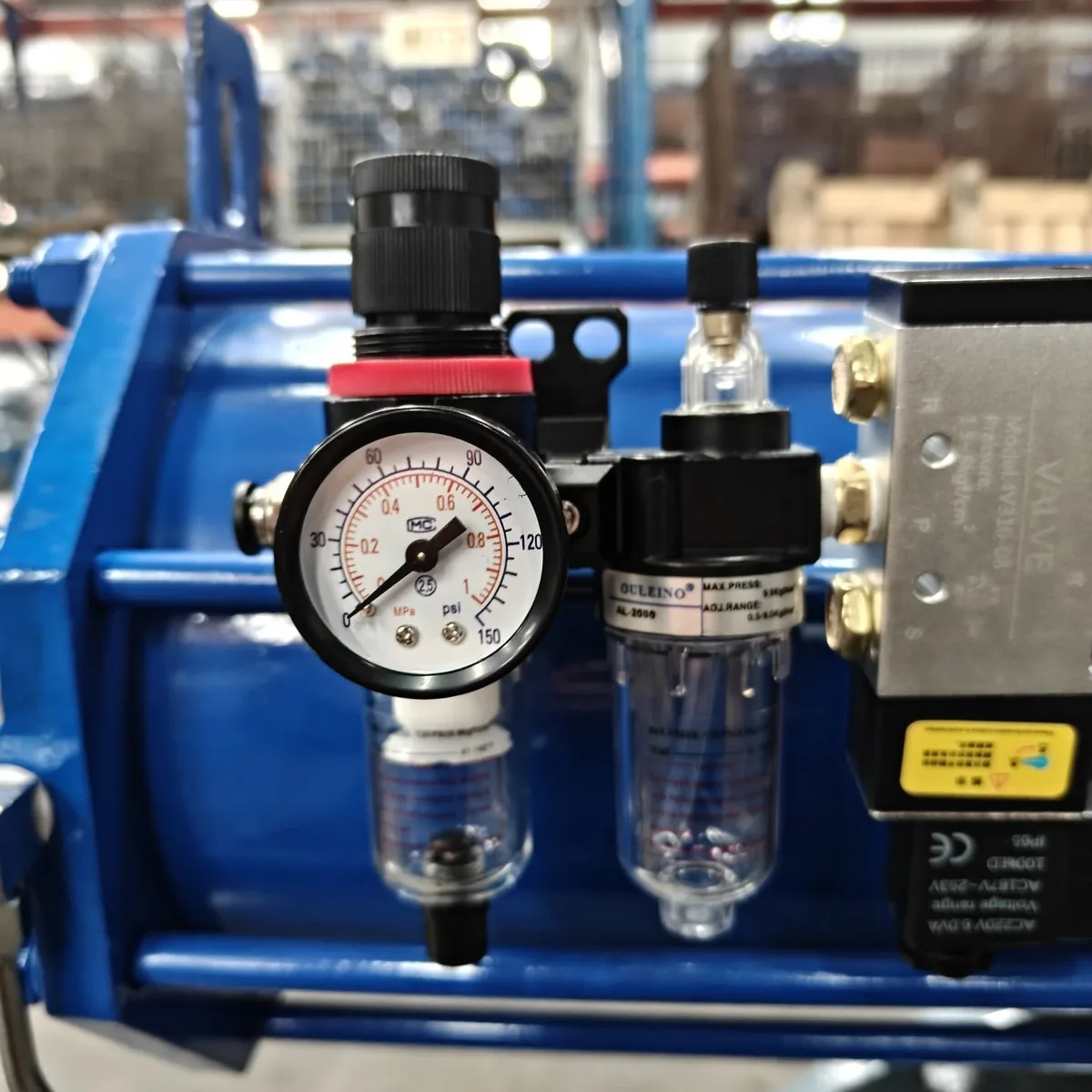
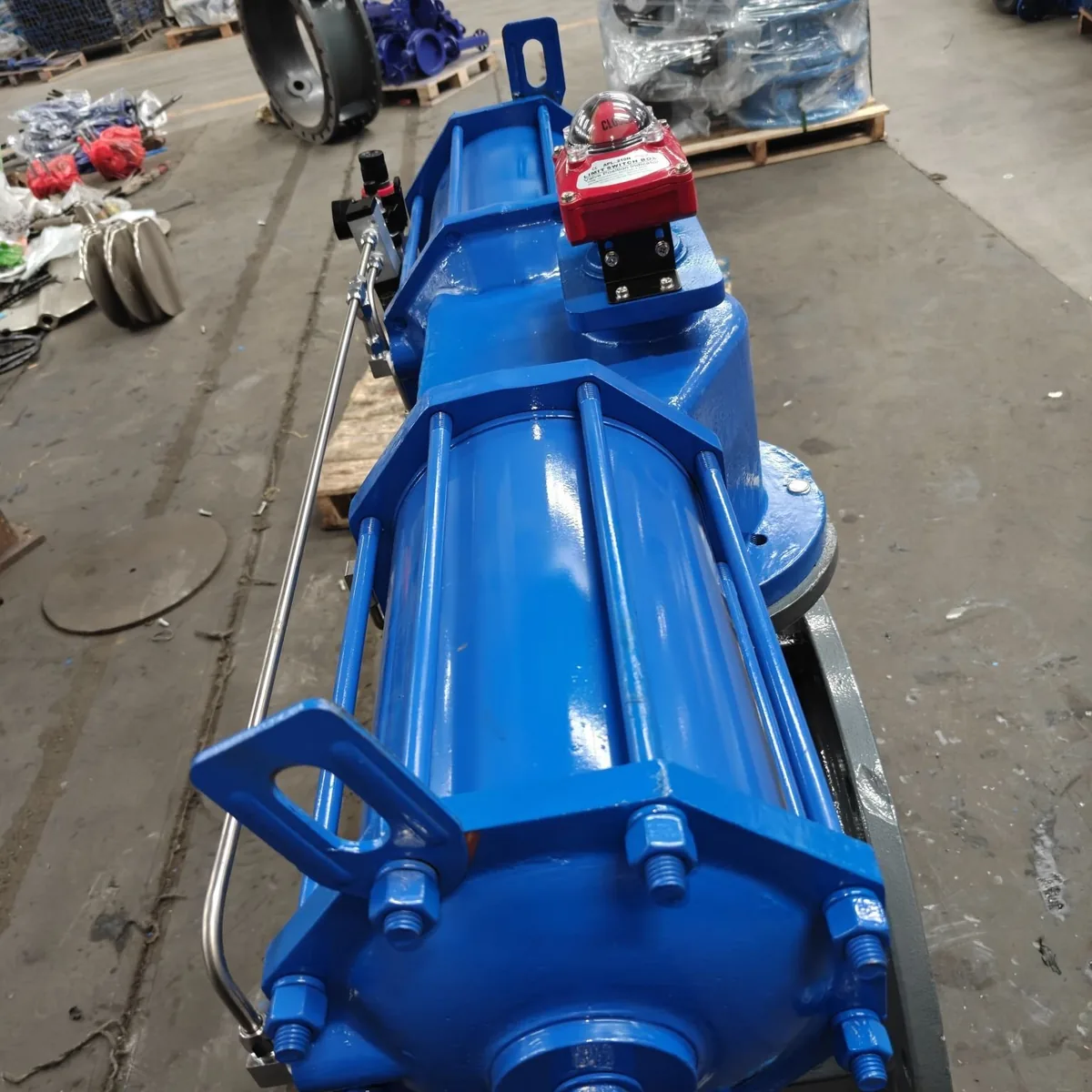
صمامات فراشة هوائية
ارتداد بالنابض · مزدوج التأثير · تركيب ISO 5211
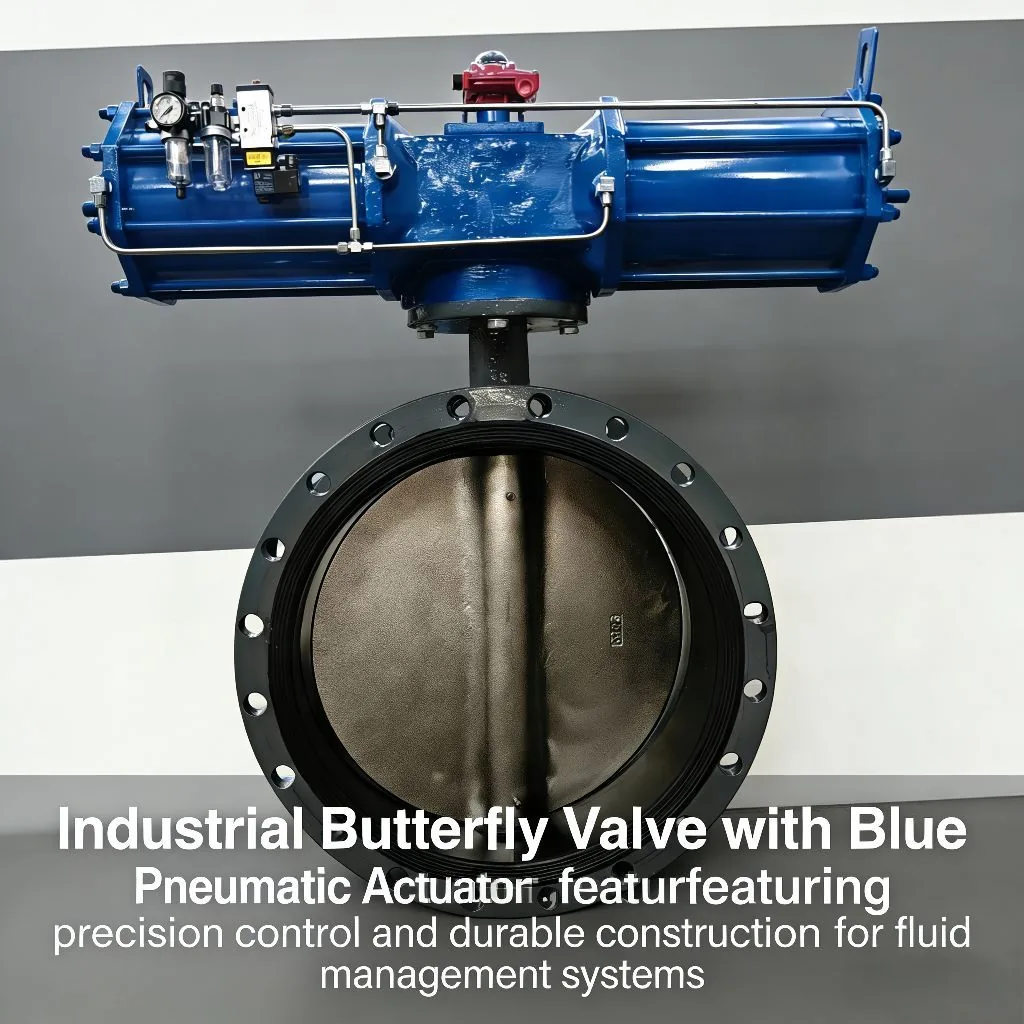
Reguvale's pneumatic actuated butterfly valves pair a precision wafer or lug butterfly valve body with a pre-mounted pneumatic actuator for automated on/off and modulating control. Each package is assembled, calibrated, and full-function tested at our Tianjin factory before shipment.
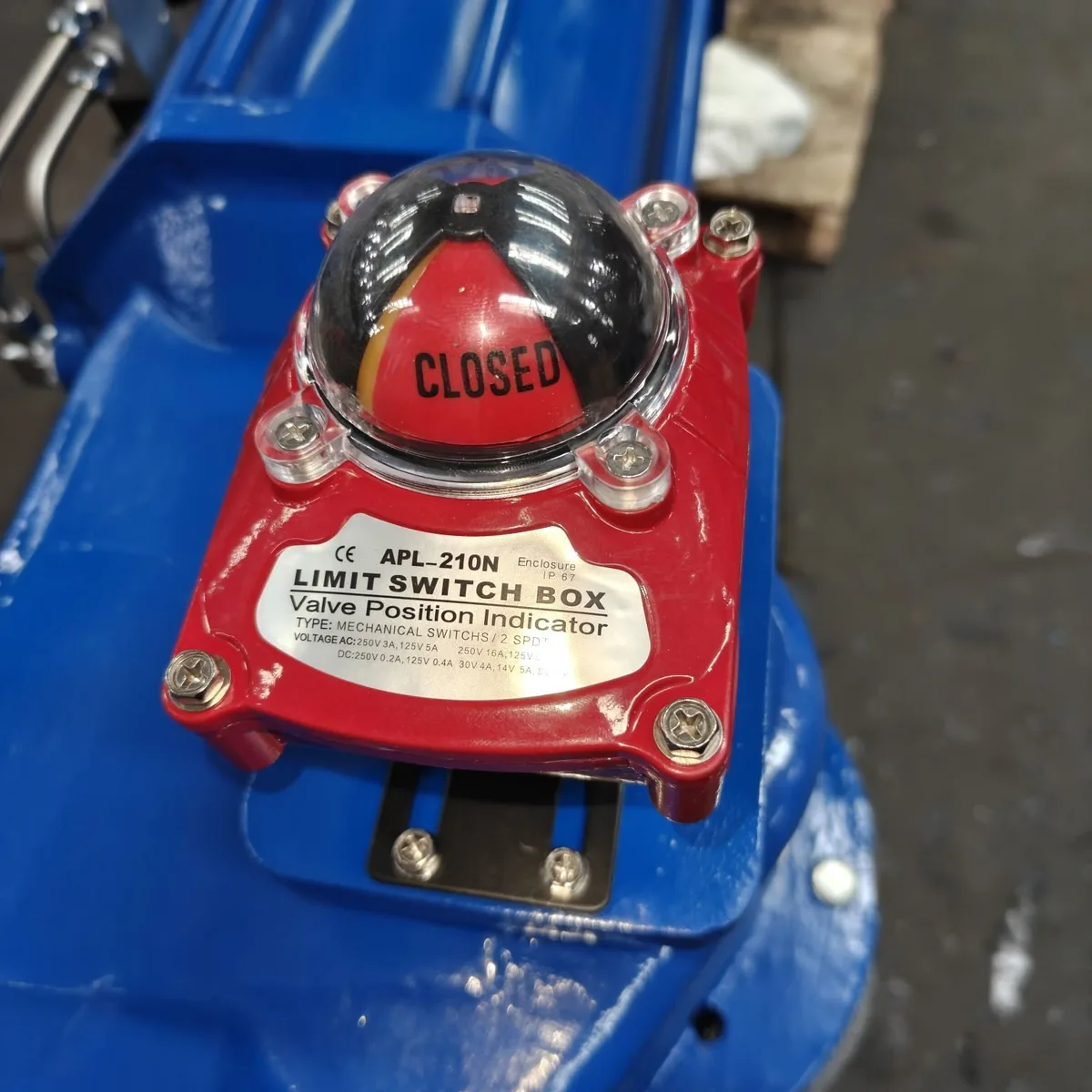
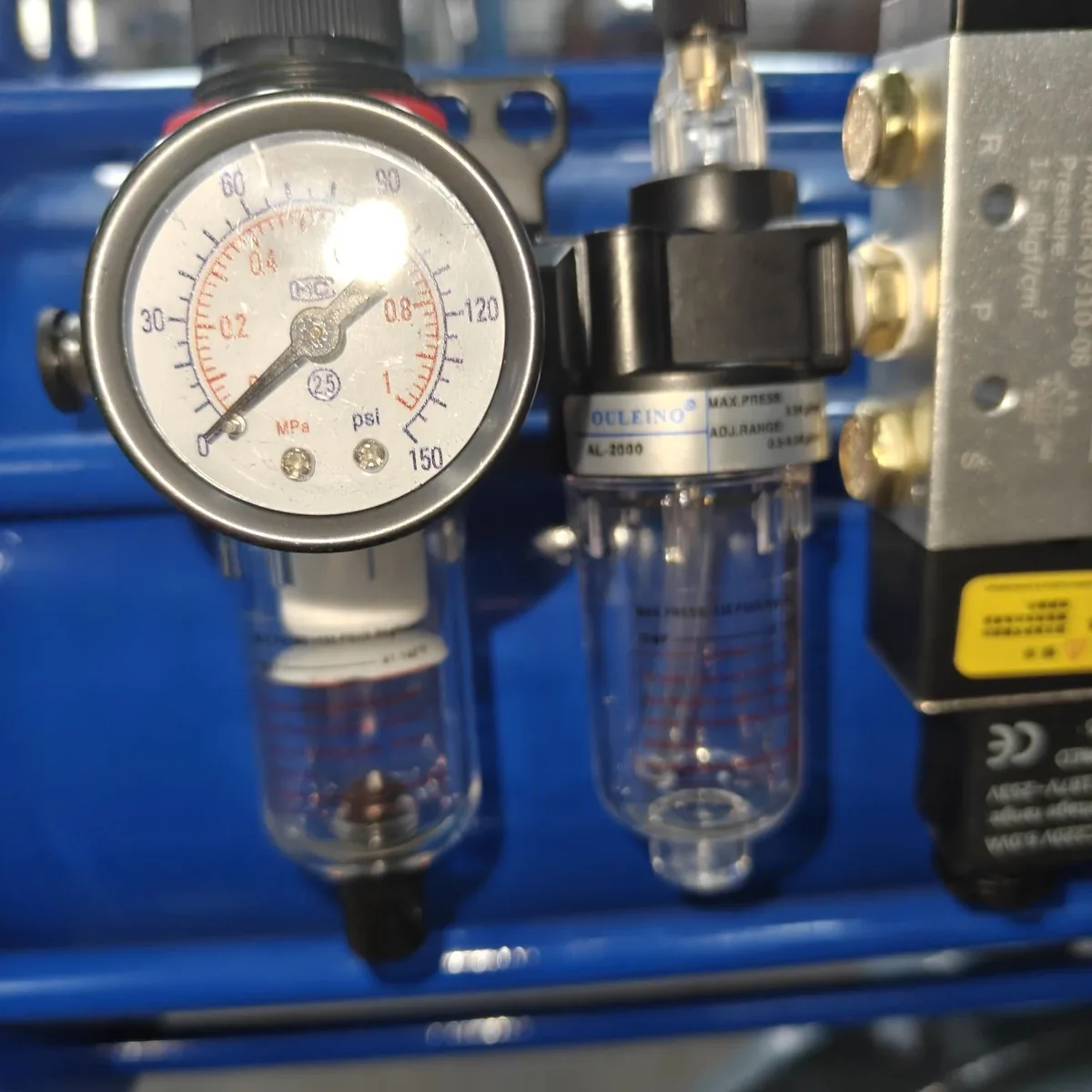
Choose spring-return (fail-safe) actuators that drive to a safe position on air loss — the usual choice for emergency shutdown (ESD) duty — or double-acting cylinders for faster cycling in modulating service. Standard accessories include NAMUR solenoid valves (24VDC/110VAC/220VAC), limit switch boxes, and 4–20mA I/P positioners. Actuator packages cover DN50–DN600; larger sizes up to DN1200 use heavy-duty double-acting cylinders with extended output shafts.
All actuators mount on an ISO 5211 interface. Lead times: standard pneumatic assemblies 7–10 days; custom configurations 14–18 days.
الميزات الرئيسية
مضغوط وخفيف
A butterfly valve typically weighs 1/6th to 1/10th of an equivalent gate valve and requires far less installation space. This means lighter pipe supports, smaller valve chambers, and easier handling in the field.
سرعة ربع دورة
90° rotation from fully closed to fully open in under 2 seconds (manual lever) or 1 second (actuated). Ideal for rapid-isolation applications like emergency shutdown (ESD) systems.
أداء إغلاق محكم
Concentric rubber-seated valves are pressure- and seat-tested bubble-tight to ISO 5208 Rate A (EN 12266-1 Rate A). Double-offset (high-performance) designs reduce friction and wear; triple-offset metal-seated valves give a lower leakage rate than rubber seats but are not drop-tight — specify the rate you need and we will confirm it.
نطاق واسع للأحجام والضغوط
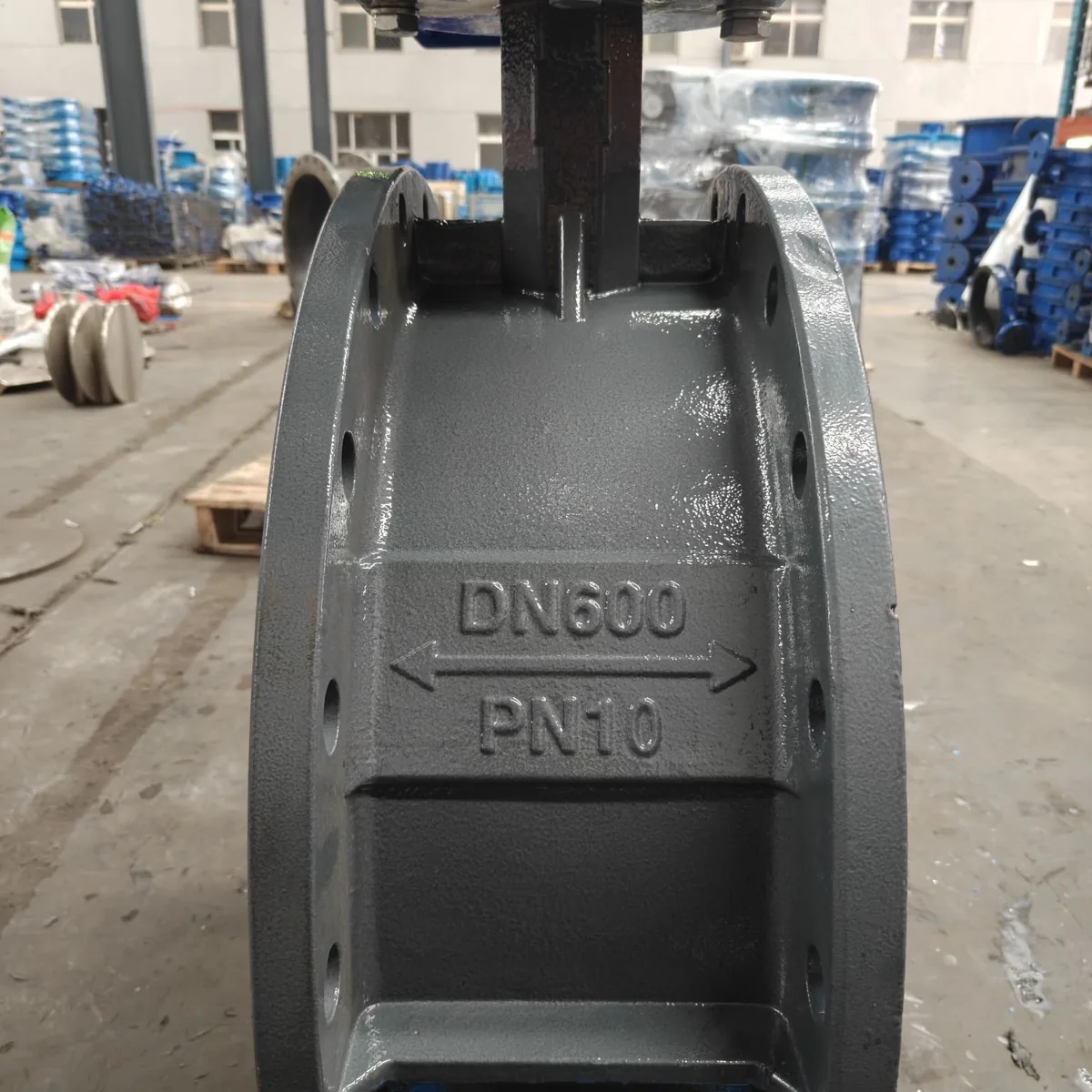
Pneumatic packages from DN50 to DN600 as standard, with larger bodies up to DN1200 on request. PN10/PN16 for concentric rubber-seated valves; PN25/PN40 or Class 150/300 for double- and triple-offset types.
مرونة التشغيل
Manual lever, gear operator, spring-return pneumatic (fail-open/fail-close), double-acting pneumatic, electric (ON/OFF or modulating 4-20mA), and hydraulic actuator options.
تكلفة دورة حياة منخفضة
Fewer moving parts than gate/globe valves, replaceable seat rings without removing the valve from the line (lug/flanged type), and no regular lubrication requirement — total cost of ownership is among the lowest.
المواصفات الفنية
| المعلمة | المواصفة |
|---|---|
| Body Material | Ductile Iron (GJS400-18/GGG50) مطلية بالإيبوكسي / CF8M SS316 / برونز ألومنيوم / WCB |
| Disc Material | SS304 / SS316 / Ductile Iron Nickel-Al-Bronze Plated / برونز ألومنيوم |
| Seat Material | EPDM / NBR / Viton(FKM) / PTFE / Metal Seat (SS316/Inconel 625/Stellite) |
| Design Type | متركز (بطانة مطاطية) / إزاحة مزدوجة / إزاحة ثلاثية |
| Size Range | DN50 – DN600 standard pneumatic packages; larger bodies up to DN1200 on request |
| Pressure Rating | PN10 / PN16 / PN25 / PN40 / Class 150 / Class 300 |
| Installation | ويفر (بين الفلنجات) / لوج (إدراجات ملولبة) / فلنجة مزدوجة |
| Operation | مقبض رافعة / صندوق تروس دودي (نسبة 10:1 إلى 200:1) / هوائي / كهربائي |
| Temperature | EPDM: −20→+120°C | NBR: −20→+82°C | Viton: −15→+200°C | PTFE: −20→+200°C | Metal: →+550°C |
| Leakage rate | Concentric rubber-seated: ISO 5208 Rate A / EN 12266-1 Rate A (bubble-tight) · double- and triple-offset: ISO 5208 Rate B or C — specify the rate your project needs and we will confirm it |
| Standards | EN 593 (product) · EN 558 (face-to-face) · ISO 5752 · MSS SP-67 · JIS B2032 · flange drilling to EN 1092-2 or ASME B16.5 |
| Certification | ISO 9001:2015, شهادة مواد MTC متاح لكل دفعة) |
الأسئلة الشائعة
مشغل هوائي بارتداد نابضي أو مزدوج التأثير — أي واحد أحتاج؟
ارتداد بالنابض (آمن عند الفشل): يعود إلى وضع آمن (مفتوح أو مغلق) عند فقدان الهواء — مطلوب لـ ESD ومقاومة الحريق ومعظم عزل العمليات. أسطوانة أكبر قليلاً.
مزدوج التأثير: يحتاج هواء من الجانبين؛ يبقى في مكانه عند فقدان الهواء. أكثر إحكاماً واقتصاداً، مثالي لخدمة التعديل/الخنق حيث لا يُشترط الأمان عند الفشل.
Common questions about pneumatic butterfly valves answered by our engineering team.
Wafer type vs lug type vs flanged — which should I choose?
ويفر: محشور بين فلنجتي أنبوب باستخدام براغي مارة. الأرخص والأخف، لكن يجب تثبيت أحد الجانبين بالبراغي للصيانة. الأفضل لغير الحرج، دون حاجة لطرف مغلق.
Lug: Has threaded inserts (lugs) with independent bolts. One side can be disconnected while the valve stays sealed against the other flange — ideal for dead-end service, tanks, equipment isolation.
مفلنج (فلنجة مزدوجة): يحتوي على فلنجات متكاملة خاصة تطابق فلنجات الأنبوب. الأقوى، يدعم أحمال الأنابيب، الأفضل للأحجام الكبيرة (DN300+) والخدمة المدفونة والتطبيقات عالية الاهتزاز.
What seat material should I select for my application?
EPDM: Best all-round for water, air, and weak chemicals up to +120°C. Most common choice.
NBR (Buna-N): Good for oils, fuels, petroleum products, aliphatic hydrocarbons. Avoid with aromatic solvents and strong oxidizers.
Viton/FKM: Excellent for acids, aromatics, and high temperatures up to +200°C. Costlier but essential for chemical processing.
PTFE: Near-universal chemical resistance. Used for corrosive acids/bases. Lower temperature limit than rubber (cold-flow concern below 0°C).
Metal seat (SS316/Inconel/Stellite): Required for steam above +180°C, high-pressure gas, and services with abrasive particles that would embed in rubber seats.
Can butterfly valves be used for throttling / flow regulation?
Yes — within limits. Concentric rubber-lined valves modulate reasonably well in the 20°–70° open range and are commonly used for balancing in HVAC systems. However, for precise control or high ΔP service, double-offset or triple-offset valves with characterized discs give much better linearity, less torque variation, and longer seat life under cycling conditions.
What is double-offset vs triple-offset butterfly valve?
Double-offset (High-Performance): The shaft is offset behind the disc centerline and also offset from the body centerline. This causes the disc to swing away from the seat immediately upon opening, reducing friction and wear. Good for higher pressure/temperature than concentric, up to ~+230°C.
Triple-offset: Adds a geometric conical seat shape as a third offset. The metal-seated disc contacts the seat only at the fully closed position with zero rubbing during opening/closing cycle. Enables metal-to-metal ISO 5208 metal-to-metal shutoff in steam and high-temp gas service up to +550°C, replacing gate and globe valves at a fraction of the weight and cost.
How do I size a pneumatic actuator for my butterfly valve?
The actuator torque must exceed the valve's breakaway (opening) torque plus a safety factor of 1.3–1.5×. Key factors: valve size (larger = more torque), pressure differential (higher ΔP = more torque), seat material (rubber has more friction than metal), and whether it's spring-return (spring force adds to required torque). Send us your valve model, size, pressure rating, and fail-position preference — we'll specify the correct actuator package pre-mounted and tested.
What maintenance do butterfly valves require?
Rubber-lined concentric valves are nearly maintenance-free for 10–15 years in clean water service. Periodic checks: inspect seat for wear/cracks, check disc/stem for corrosion, verify actuator torque. Lug and flanged types allow in-line seat replacement. For offset valves: check seals, re-torque body bolts if needed, and lubricate the gearbox (if equipped) annually. In dirty/slurry service, plan more frequent inspections.
التطبيقات وحالات الاستخدام
محطات معالجة المياه
سحب المياه الخام، دخول/خروج المروق، غسل المرشح، خطوط التعقيم
التكييف والمياه المبردة
عزل المبرد/برج التبريد، تحكم ملف AHU، تخزين الطاقة الحرارية
الصناعات الكيميائية
خطوط كاوية/مذيب/حمض، تغذية مفاعل دفعات، مزرعة خزانات
توليد الطاقة
دوران مياه التبريد، مساعد مياه تغذية الغلاية، معالجة لبود FGD
البحري والبحري البعيد
تبريد مياه البحر، معالجة مياه الصابورة، أنظمة القاع/الحريق
منتجات ذات صلة
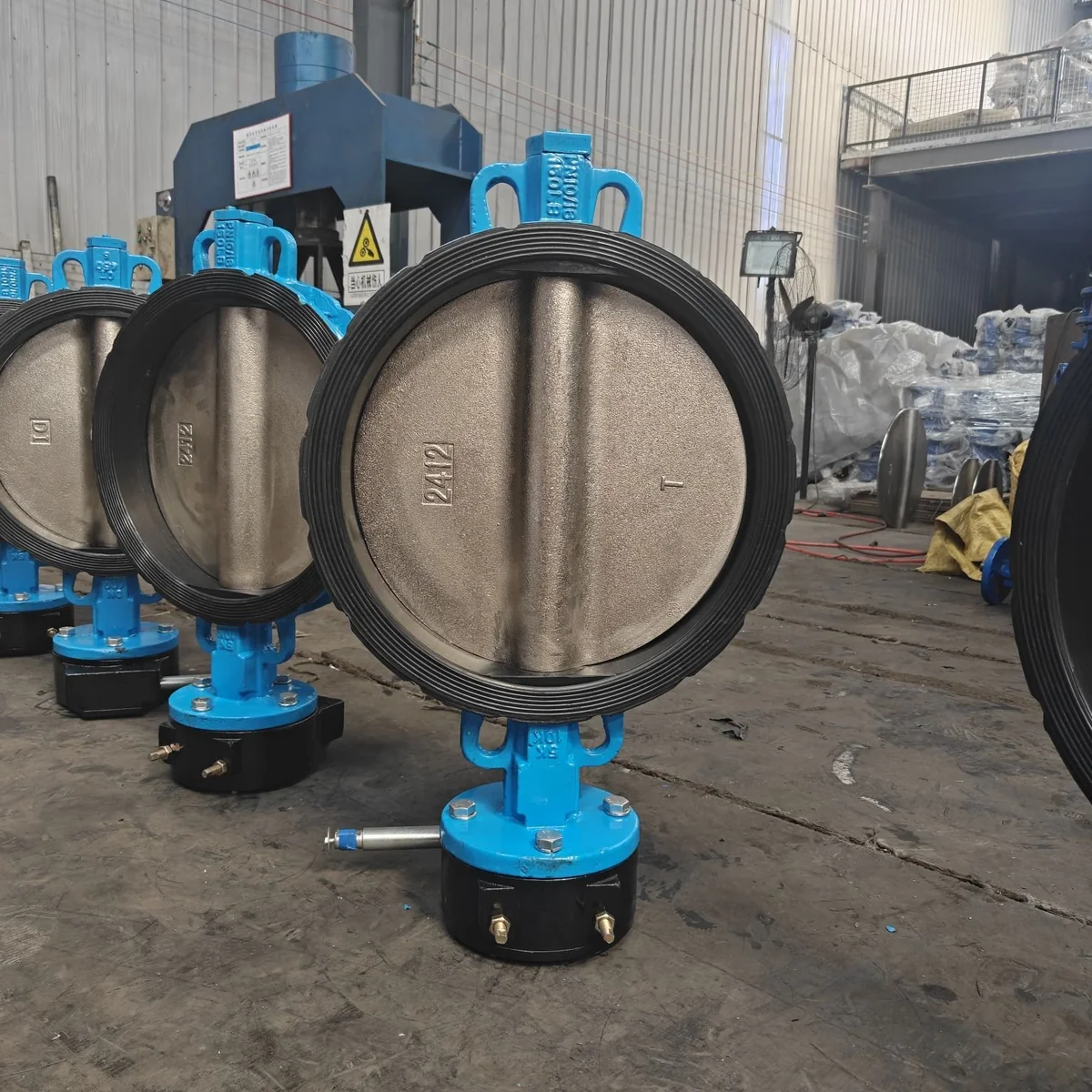
صمامات فراشة ويفر
Wafer · Lug · إزاحة مزدوجة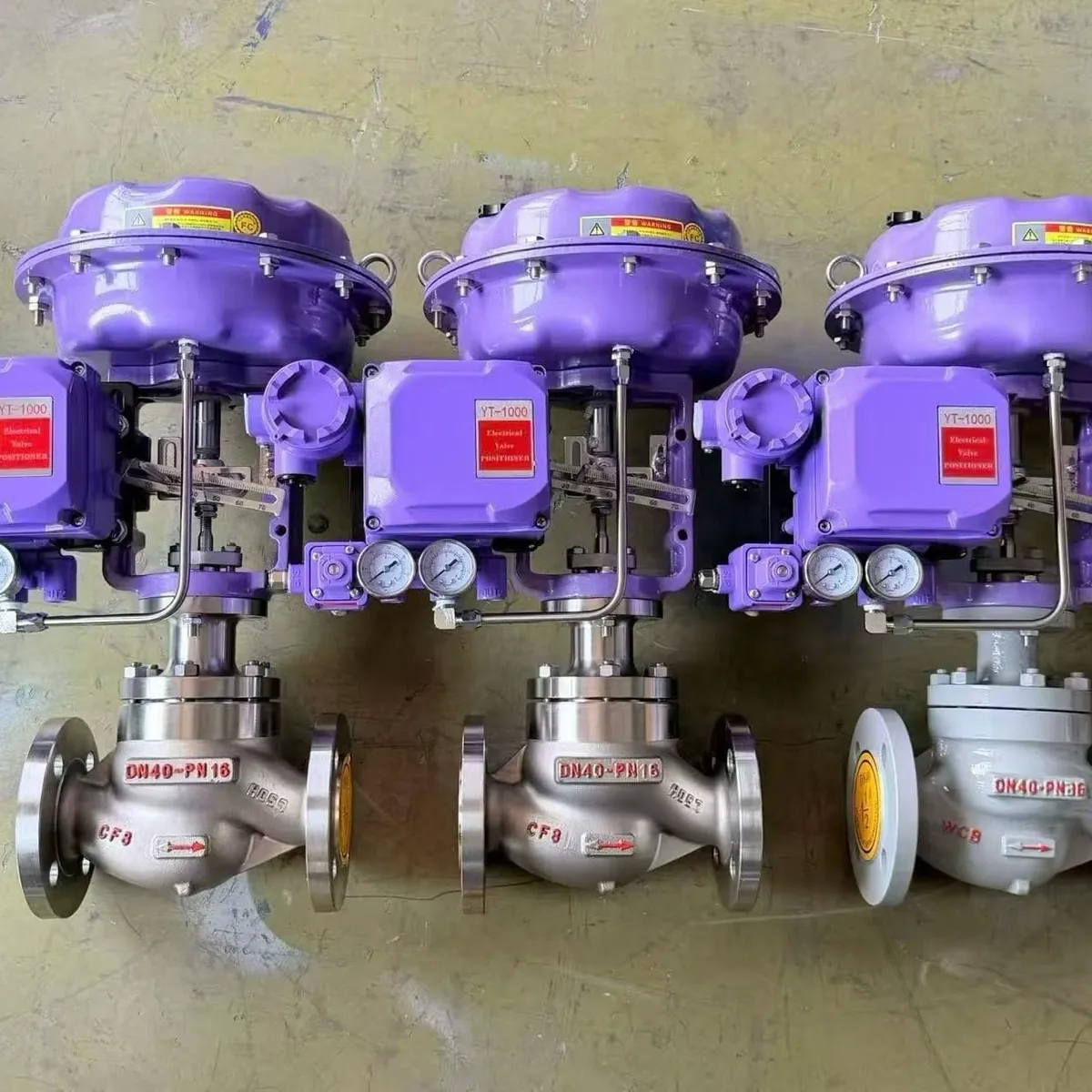
صمامات التحكم
Diaphragm · كهربائي · Cage-Guidedجميع الصمامات
الكتالوج الكامل وقريباًمقالات ذات صلة
أدلة مفيدة لتحديد وصيانة صمامات الفراشة.