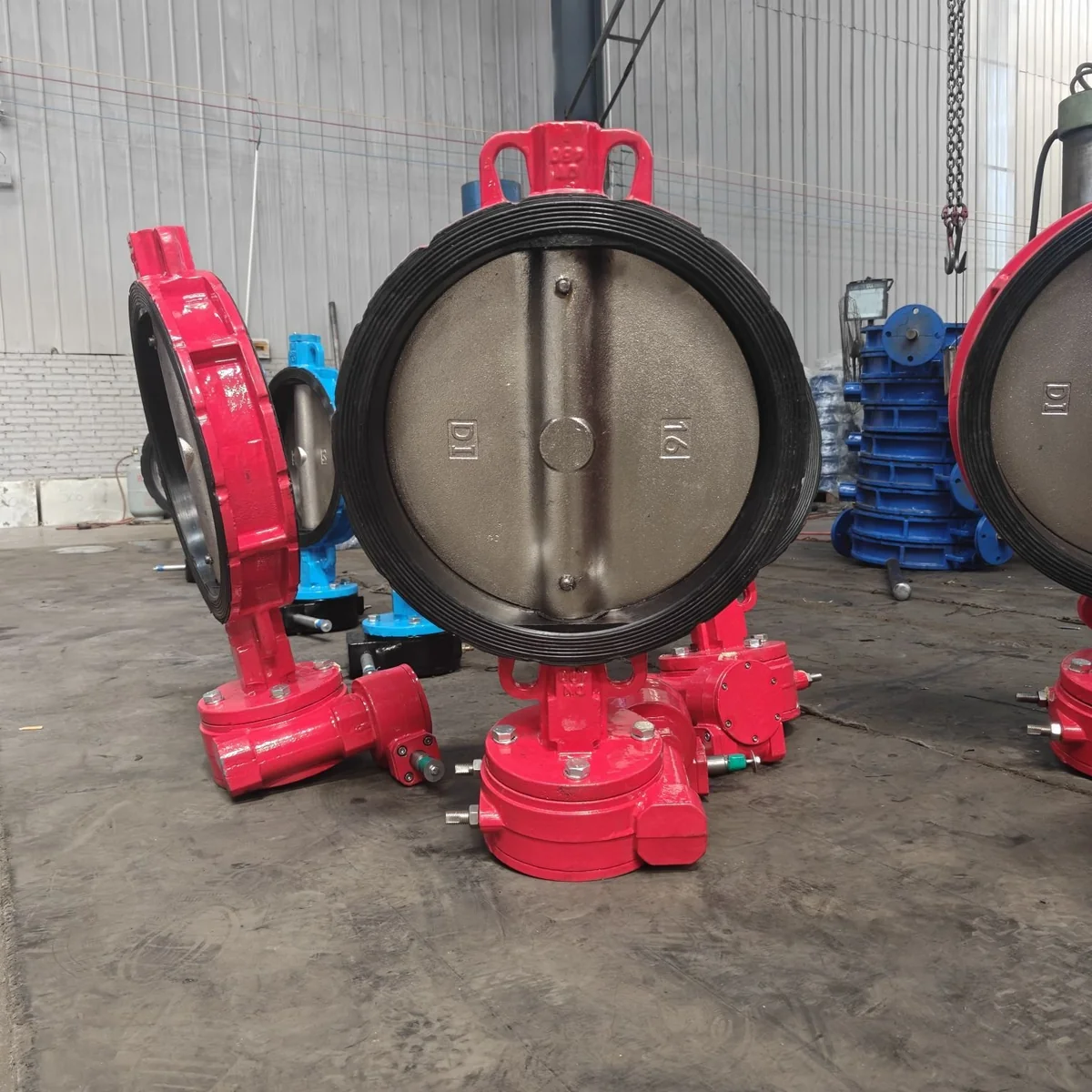
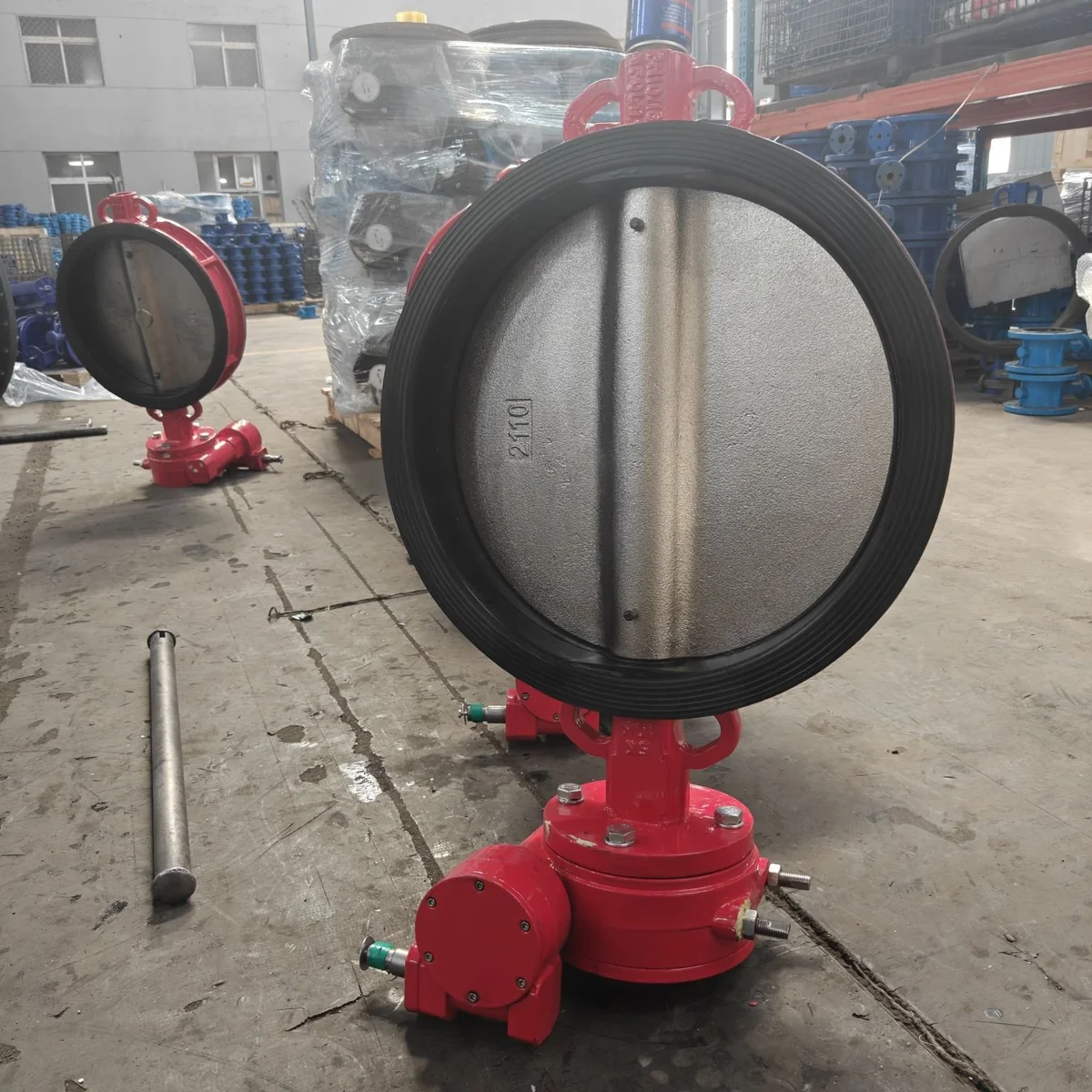
Vannes papillon
Wafer · Lug · Double excentré · Triple excentré · Pneumatique
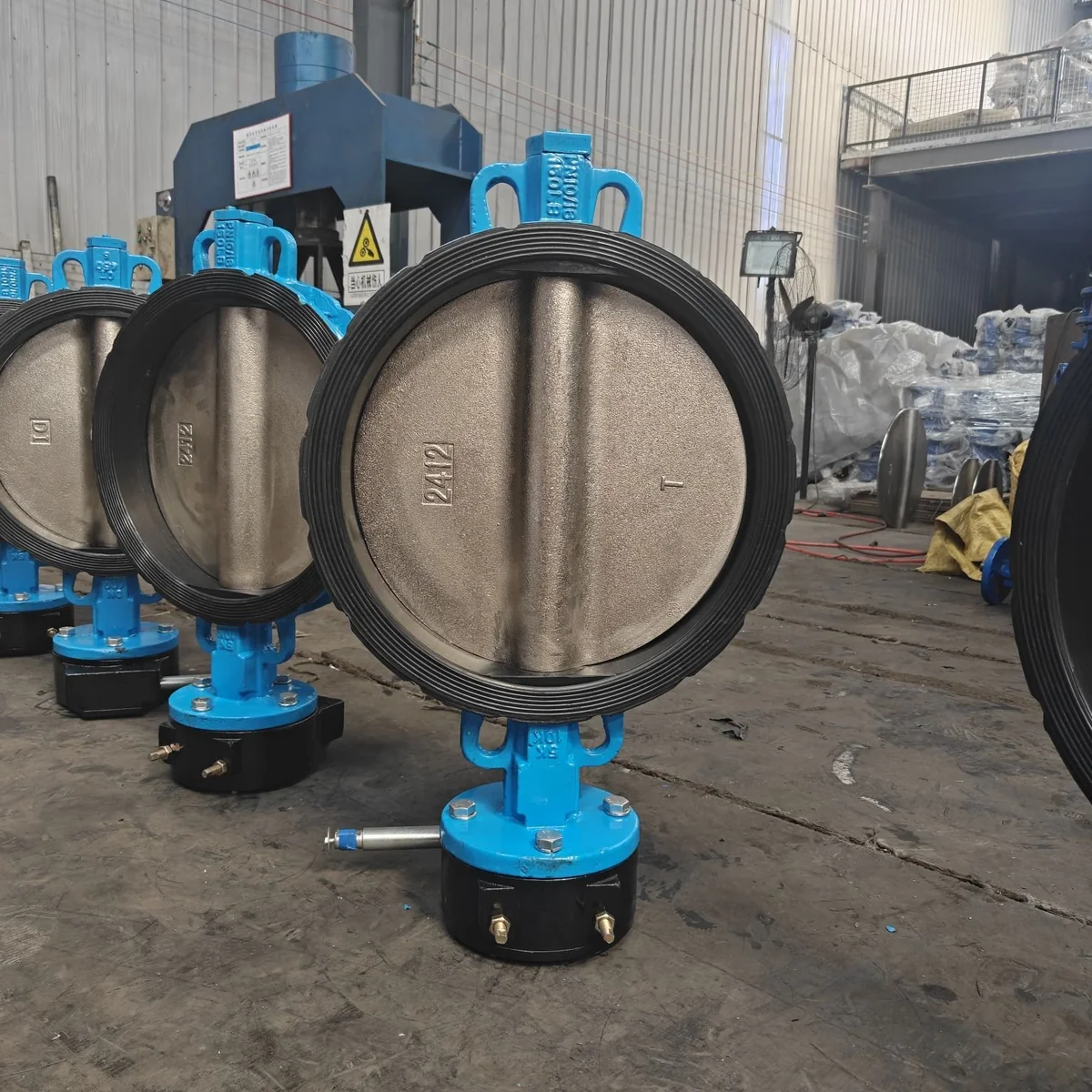
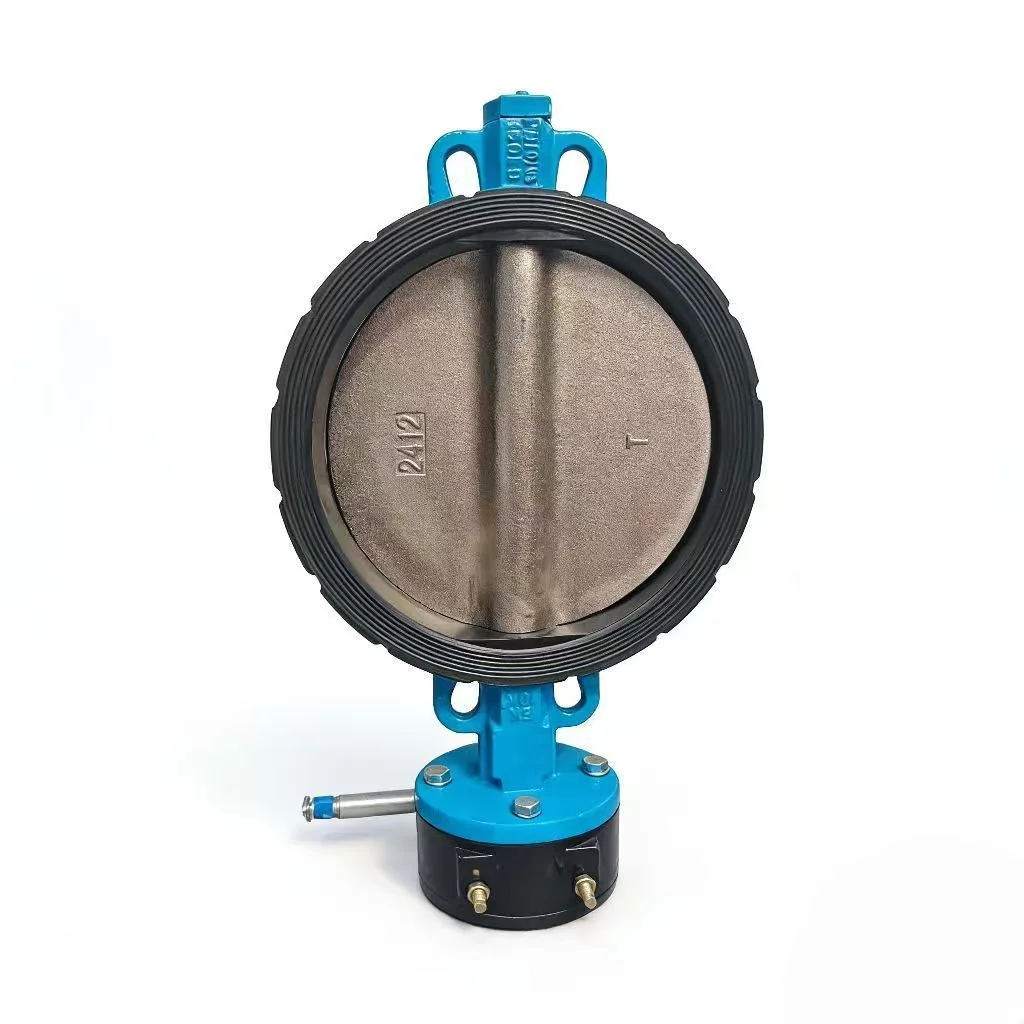
Reguvale's butterfly valve family offers one of the most versatile and economical valve solutions available today. From compact wafer-type valves for light-duty water and HVAC systems to high-performance triple-offset designs for severe-service steam and chemical applications, our butterfly valves combine quarter-turn speed, lightweight construction, and excellent flow characteristics at a fraction of the cost and weight of equivalent gate, globe, or ball valves.
The core of every Reguvale butterfly valve is its disc-and-seat sealing system. We offer six seat materials to match your fluid and temperature: EPDM for cold water and HVAC (−10°C to +120°C), NBR for oil and fuel services, Viton/FKM for aggressive chemicals and higher temperatures (+200°C), PTFE for corrosive acid/base environments, and metal seats (SS316/Inconel/Stellite) for high-pressure steam and high-temperature process lines up to +550°C. Body materials include ductile iron (epoxy-coated), aluminum bronze, stainless steel (CF8M/Duplex), and carbon steel.
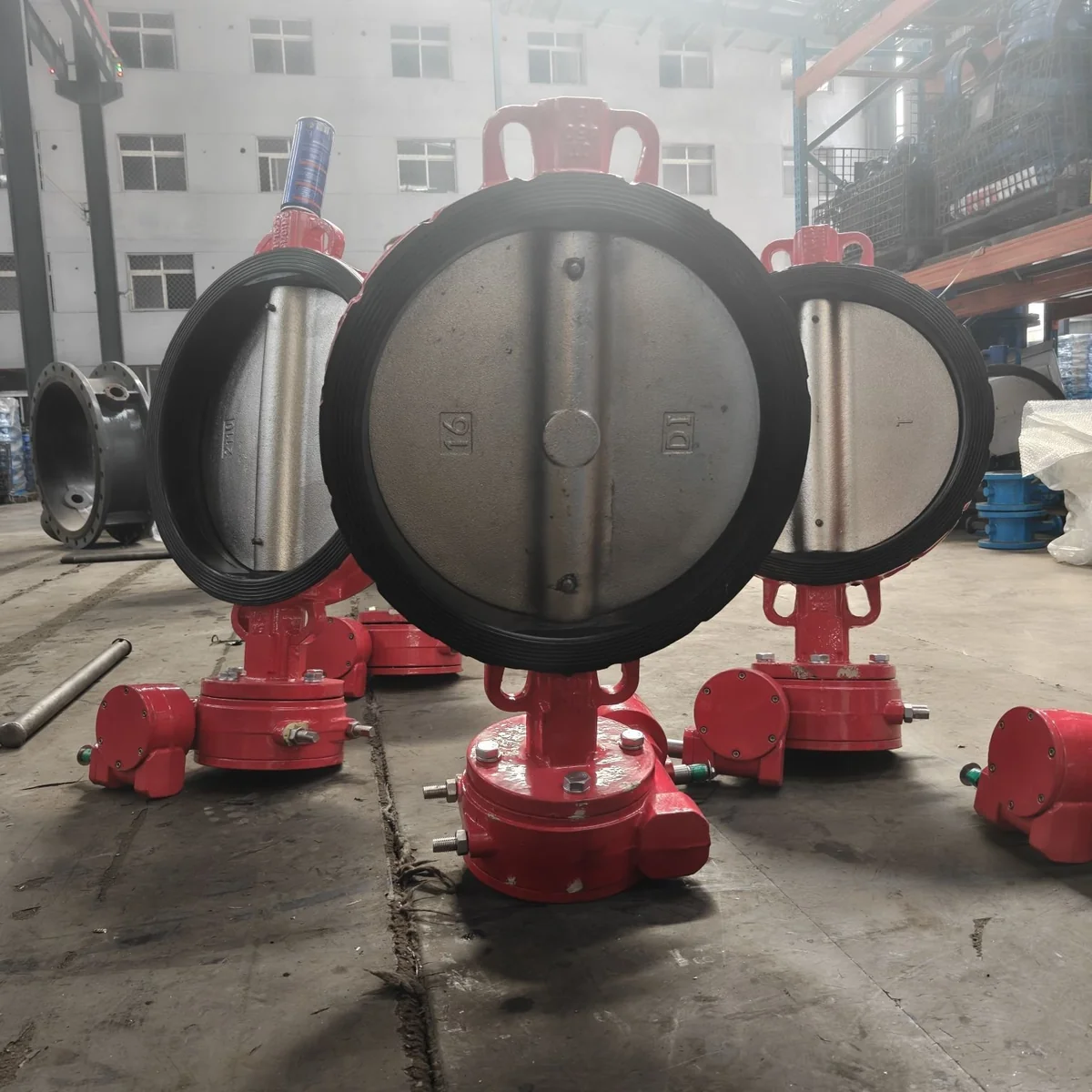
All lug-type and flanged butterfly valves are drillable to ISO 5212 for direct actuator mounting. Our pneumatic actuated packages include spring-return (fail-safe) or double-acting cylinders with limit switches and positioners, pre-assembled and function-tested before shipping. Lead times: standard valves 5–7 days; actuated assemblies 10–14 days.
Caractéristiques clés
Compact et léger
A butterfly valve typically weighs 1/6th to 1/10th of an equivalent gate valve and requires far less installation space. This means lighter pipe supports, smaller valve chambers, and easier handling in the field.
Vitesse quart de tour
90° rotation from fully closed to fully open in under 2 seconds (manual lever) or 1 second (actuated). Ideal for rapid-isolation applications like emergency shutdown (ESD) systems.
Étanchéité serrée
Concentric rubber-seated valves achieve ISO 5208 Rate A (bubble-tight) shutoff. Double-offset (high-performance) designs reduce friction and wear. Triple-offset metal-seated valves reach ISO 5208 Rate B or better for steam/gas.
Large gamme de tailles et pressions
DN50 to DN1200 (2" –80") in standard production; PN10/16 for concentric, PN16/25/40/Class 150/300 for offset types. Special sizes beyond DN1200 available on request.
Flexibilité d'actionnement
Manual lever, gear operator, spring-return pneumatic (fail-open/fail-close), double-acting pneumatic, electric (ON/OFF or modulating 4-20mA), and hydraulic actuator options.
Coût de cycle de vie faible
Fewer moving parts than gate/globe valves, replaceable seat rings without removing the valve from the line (lug/flanged type), and no regular lubrication requirement –total cost of ownership is among the lowest.
Spécifications techniques
| Paramètre | Spécification |
|---|---|
| Body Material | Ductile Iron (GJS400-18/GGG50) à revêtement époxy / CF8M SS316 / bronze aluminium / WCB |
| Disc Material | SS304 / SS316 / Ductile Iron Nickel-Al-Bronze Plated / bronze aluminium |
| Seat Material | EPDM / NBR / Viton(FKM) / PTFE / Metal Seat (SS316/Inconel 625/Stellite) |
| Design Type | concentrique (à revêtement caoutchouc) / double excentré / triple excentré |
| Size Range | DN50 – DN1200 (2" –80"); larger on request |
| Pressure Rating | PN10 / PN16 / PN25 / PN40 / Class 150 / Class 300 |
| Installation | Wafer (sandwich entre brides) / Lug (inserts filetés) / double bride |
| Operation | poignée à levier / Boîte à vis sans fin (rapport 10:1 à 200:1) / pneumatique / électrique |
| Temperature | EPDM: −20→+120°C | NBR: −20→+82°C | Viton: −15→+200°C | PTFE: −20→+200°C | Metal seat: up to about +550°C |
| Leakage Class | Concentric: ISO 5208 Rate A | double/triple-offset: Rate B / C |
| Standards | EN 593 (product) · EN 558 (face-to-face) · ISO 5752 · MSS SP-67 · JIS B2032 · flange drilling to EN 1092-2 or ASME B16.5 |
| Certification | ISO 9001:2015, SGS test de matériau (MTC disponible par lot) |
Questions fréquemment posées
Questions courantes sur les vannes papillon, répondues par notre équipe d'ingénierie.
Type wafer vs lug vs à brides –lequel choisir ?
Wafer : Sandwiché entre deux brides de tuyau à l'aide de boulons traversants. Le moins cher, le plus léger, mais un côté doit rester boulonné pour la maintenance. Idéal pour non critique, sans besoin d'extrémité fermée.
Lug : Possède des inserts filetés (lugs) avec boulons indépendants. Un côté peut être déconnecté tandis que la vanne reste étanche contre l'autre bride –idéal pour service en extrémité fermée, réservoirs, isolement d'équipement.
À brides (double bride) : Possède ses propres brides intégrales correspondant aux brides de tuyau. Le plus fort, supporte les charges de tuyau, idéal pour grandes tailles (DN300+), service enterré et applications à forte vibration.
What seat material should I select for my application?
EPDM: Best all-round for water, air, and weak chemicals up to +120°C. Most common choice.
NBR (Buna-N): Good for oils, fuels, petroleum products, aliphatic hydrocarbons. Avoid with aromatic solvents and strong oxidizers.
Viton/FKM: Excellent for acids, aromatics, and high temperatures up to +200°C. Costlier but essential for chemical processing.
PTFE: Near-universal chemical resistance. Used for corrosive acids/bases. Lower temperature limit than rubber (cold-flow concern below 0°C).
Metal seat (SS316/Inconel/Stellite): Required for steam above +180°C, high-pressure gas, and services with abrasive particles that would embed in rubber seats.
Can butterfly valves be used for throttling / flow regulation?
Yes –within limits. Concentric rubber-lined valves modulate reasonably well in the 20°–70° open range and are commonly used for balancing in HVAC systems. However, for precise control or high ΔP service, double-offset or triple-offset valves with characterized discs give much better linearity, less torque variation, and longer seat life under cycling conditions.
What is double-offset vs triple-offset butterfly valve?
Double-offset (High-Performance): The shaft is offset behind the disc centerline and also offset from the body centerline. This causes the disc to swing away from the seat immediately upon opening, reducing friction and wear. Good for higher pressure/temperature than concentric, up to ~+230°C.
Triple-offset: Adds a geometric conical seat shape as a third offset. The metal-seated disc contacts the seat only at the fully closed position with zero rubbing during opening/closing cycle. Enables metal-to-metal ISO 5208 Rate B shutoff in steam and high-temperature gas service up to +550°C, replacing gate and globe valves at a fraction of the weight and cost.
How do I size a pneumatic actuator for my butterfly valve?
The actuator torque must exceed the valve's breakaway (opening) torque plus a safety factor of 1.3–1.5×. Key factors: valve size (larger = more torque), pressure differential (higher ΔP = more torque), seat material (rubber has more friction than metal), and whether it's spring-return (spring force adds to required torque). Send us your valve model, size, pressure rating, and fail-position preference –we'll specify the correct actuator package pre-mounted and tested.
What maintenance do butterfly valves require?
Rubber-lined concentric valves are nearly maintenance-free for 10–15 years in clean water service. Periodic checks: inspect seat for wear/cracks, check disc/stem for corrosion, verify actuator torque. Lug and flanged types allow in-line seat replacement. For offset valves: check seals, re-torque body bolts if needed, and lubricate the gearbox (if equipped) annually. In dirty/slurry service, plan more frequent inspections.
Applications et cas d'usage
Stations d'épuration
Prise d'eau brute, entrée/sortie du clarificateur, contre-lavage, lignes de désinfection
CVC et eau glacée
Isolement refroidisseur/tour de refroidissement, contrôle batterie AHU, stockage d'énergie thermique
Industries de procédés chimiques
Lignes caustique/solvant/acide, alimentation réacteur batch, parc de réservoirs
Génération d'électricité
Circulation d'eau de refroidissement, auxiliaire eau d'alimentation chaudière, boue FGD
Maritime et offshore
Refroidissement eau de mer, traitement eau de ballast, systèmes de cale/incendie
Produits associés
Vannes papillon à wafer
Wafer / Lug / Double excentré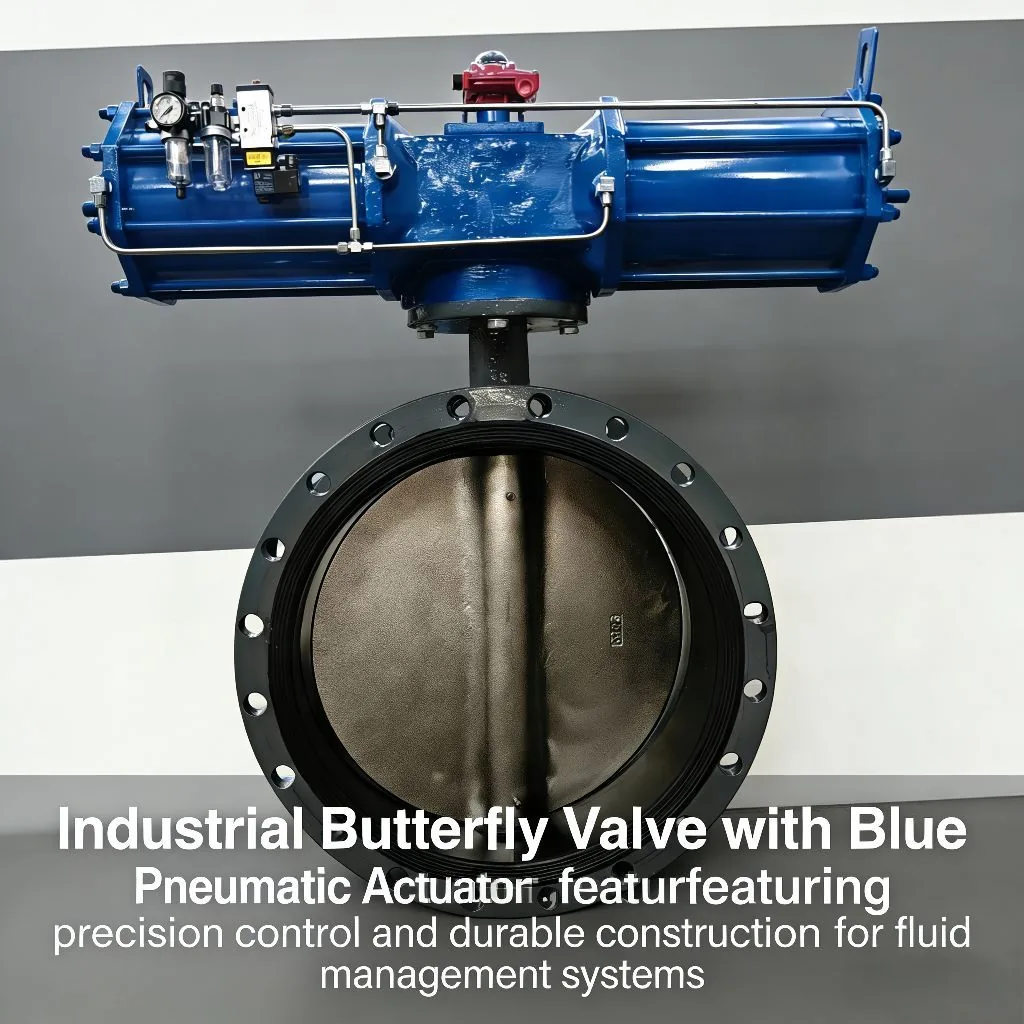
Vannes papillon pneumatiques
Rappel par ressort / Double effet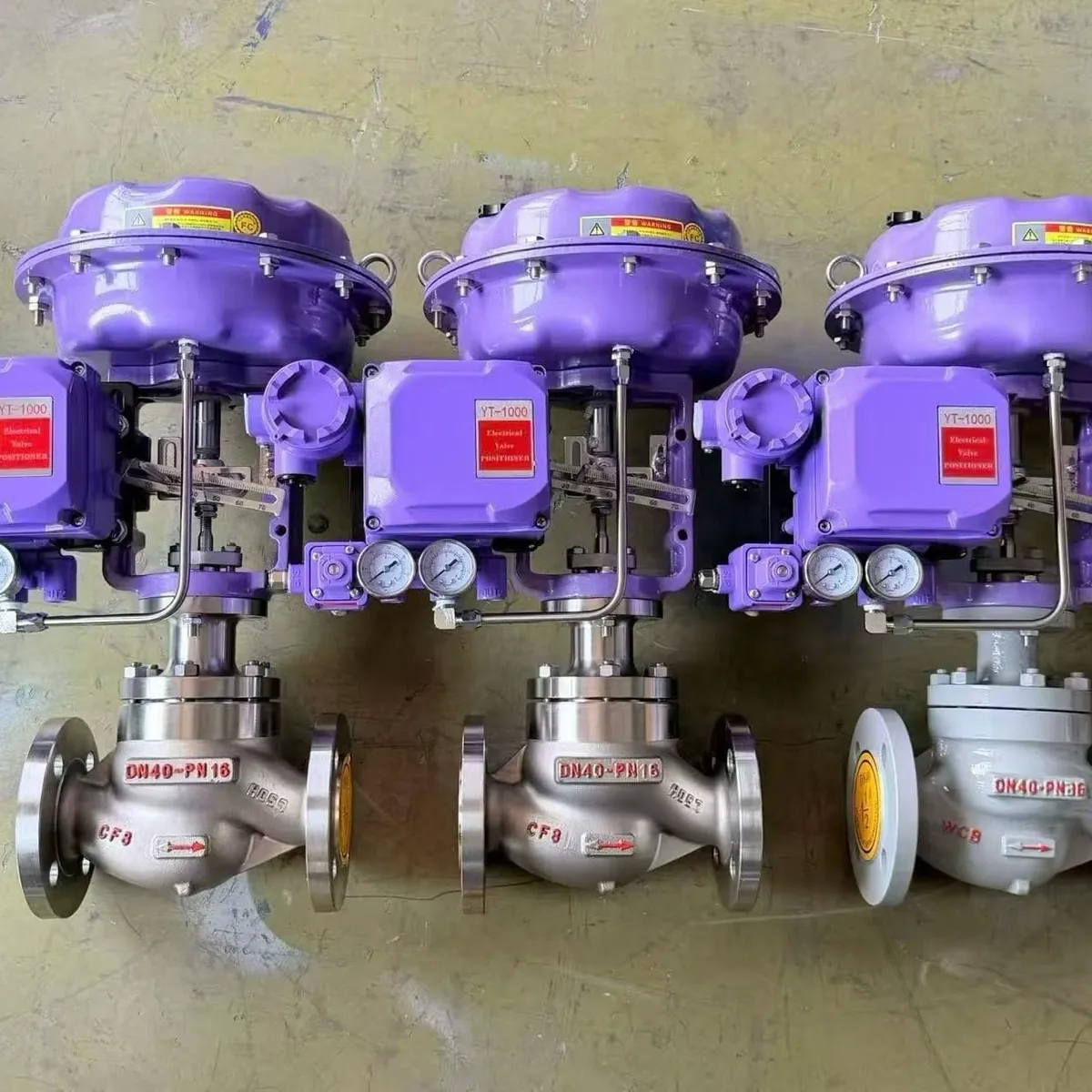
Vannes de régulation
Diafragma / Électrique / Guidé par cageToutes les vannes
Catalogue complet et bientôt disponibleArticles associés
Guides utiles pour spécifier et entretenir les vannes papillon.