Vannes de régulation
Diafragma pneumatique · Électrique · Guidé par cage · Boule segmentée
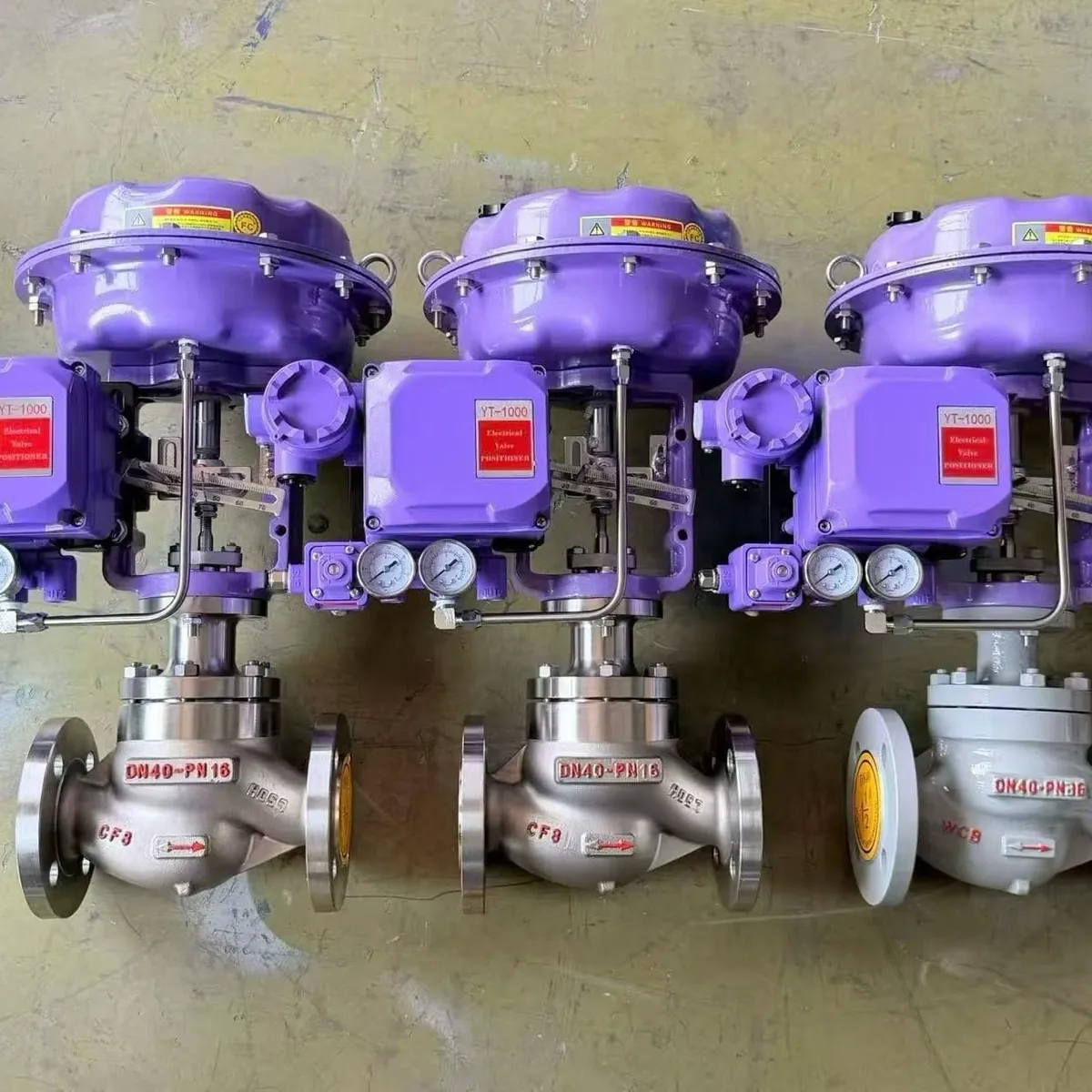
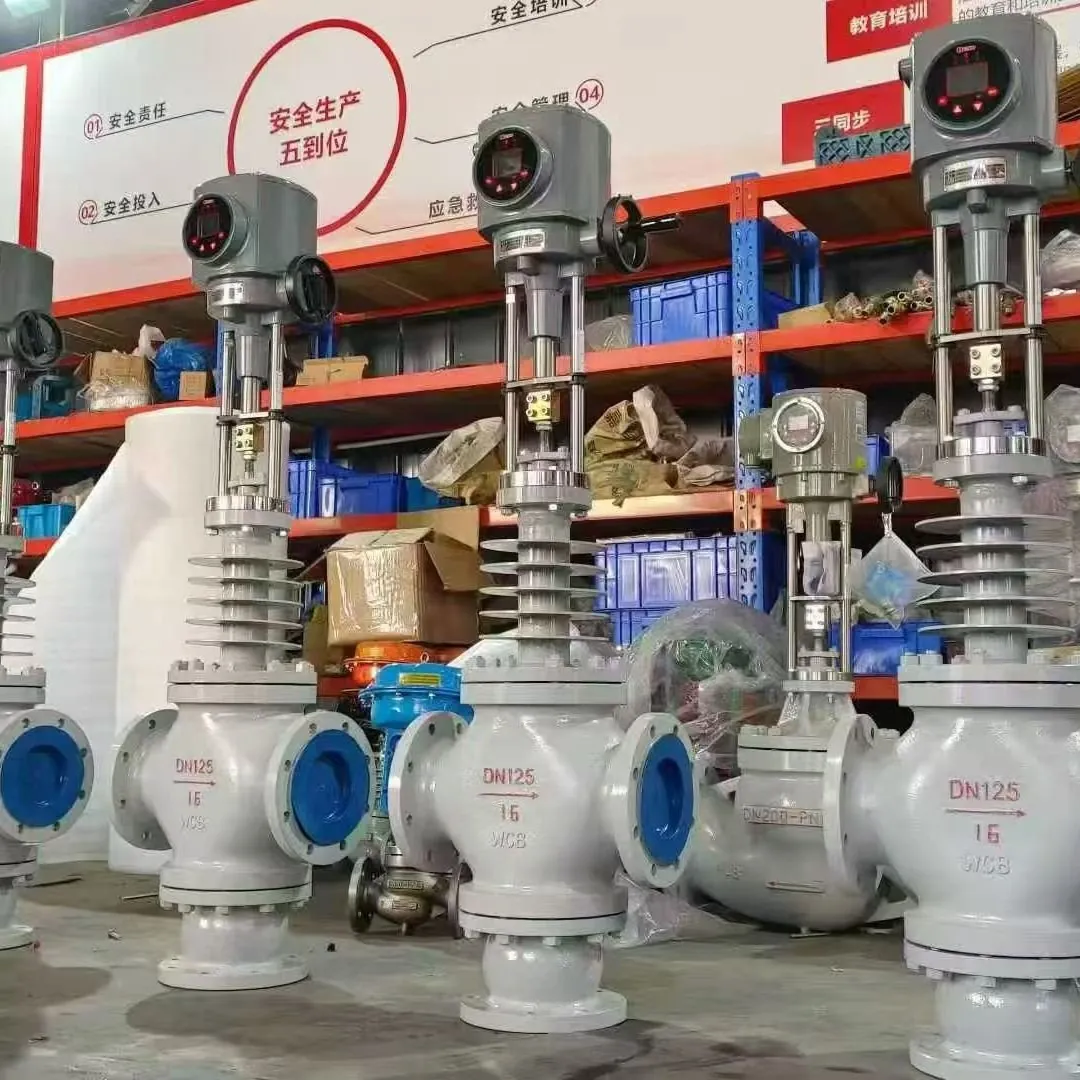
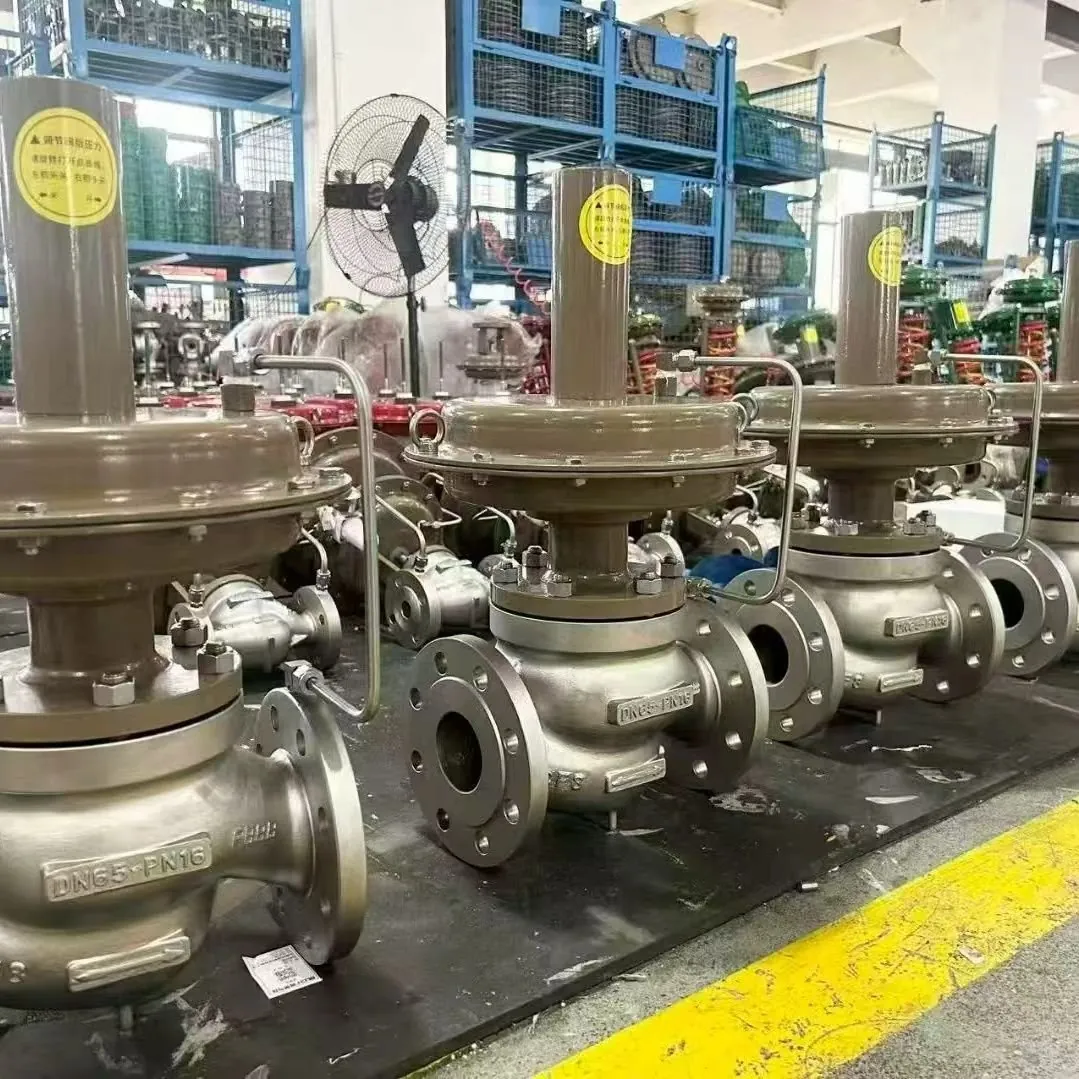
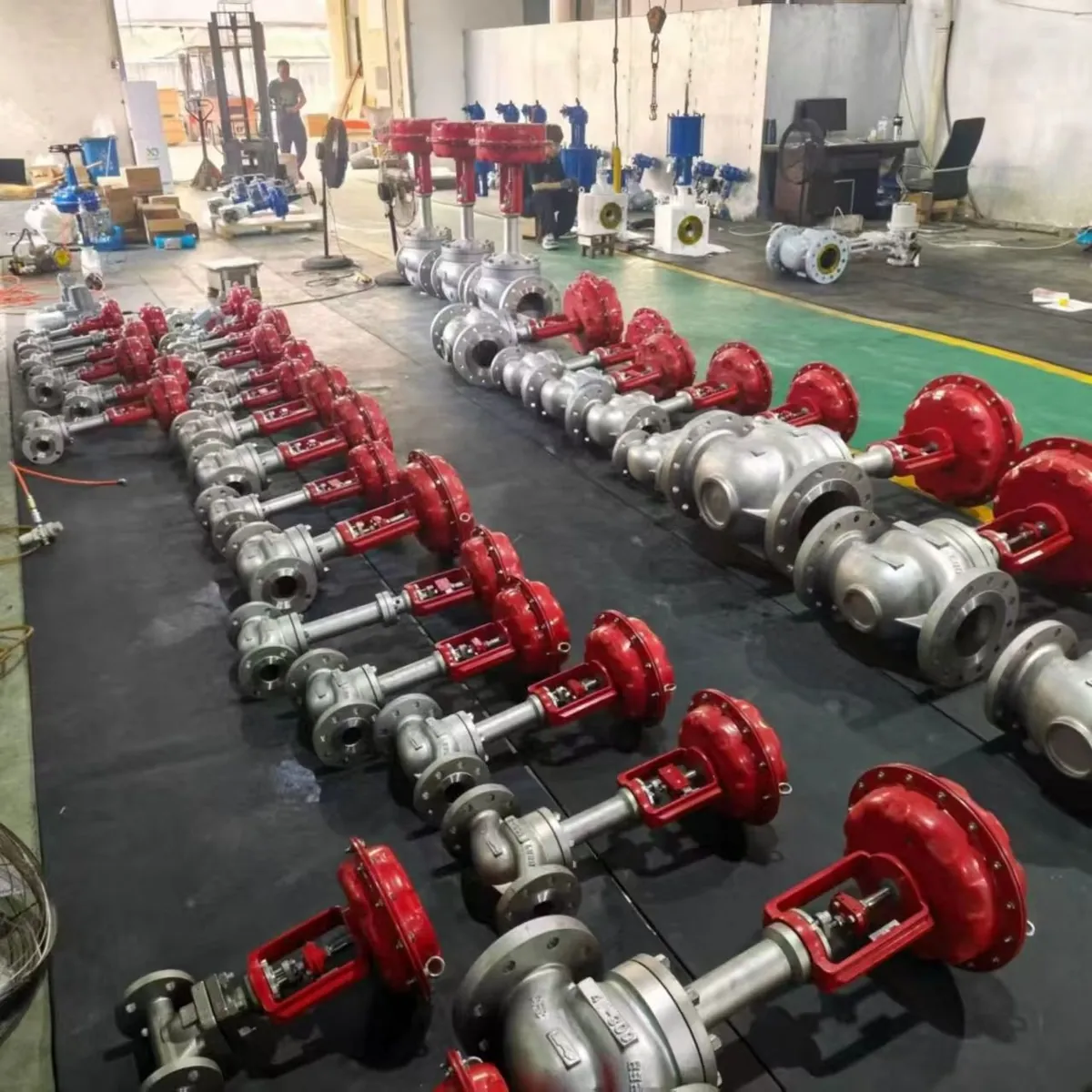
Reguvale's process control valve series provides precise modulation of flow rate, pressure, temperature, and liquid level in industrial processes. Designed for demanding applications in chemical plants, refineries, pharmaceutical manufacturing, food & beverage processing, and power generation, our control valves combine rugged construction with accurate positioning and fast response to control signals.
Our product range includes cage-guided globe control valves (the workhorse of process control), segmented (V-notch) ball control valves (for fibrous/slurry service where globe valves would plug), and high-performance butterfly control valves (large-diameter, cost-effective alternative to globe valves for water/steam service). Each is available with pneumatic diaphragm actuators (spring-opposed, fail-safe open/close/last-position), electric actuators (modulating 4–20mA with HART protocol), or electro-hydraulic actuators for ultra-fast response.
Positioners are available in analog (4–20mA), smart digital (HART), and fieldbus (Foundation Fieldbus / Profibus PA) versions with diagnostics, auto-calibration, and partial-stroke testing capability. All control valve assemblies are shop-tested for stroking time, deadband (<1%), and leakage (per ANSI/FCI 70-2 classes II through VI) before shipment.
Vidéo produit
Visite d'usine de 35 secondes –vannes de régulation pneumatiques & électriques en production et test.
Caractéristiques clés
Contrôle de modulation précis
Cage-guided trim gives linear, equal-percentage, or quick-opening flow characteristics with ±1% setpoint accuracy. Deadband <1% ensures stable loop performance without oscillation.
Options d'équipement robustes
From simple single-seat (Class II–IV) to multi-stage pressure-reducing cages (anti-cavitation, anti-noise), to V-notch segmented ball trim for pulp/fibrous slurries –we match the trim to your process fluid.
Actionnement sécurisé
Spring-diaphragm pneumatic actuators provide reliable fail-open, fail-close, or fail-last-position action upon air signal loss –critical for safety-instrumented systems (SIL capability follows from a third-party assessment of the whole loop; tell us the target SIL and we will confirm what is available).
Positionnement intelligent
HART and fieldbus digital positioners with auto-tune, partial-stroke testing (PST), valve signature capture, and predictive diagnostics help prevent unplanned shutdowns and optimize maintenance intervals.
Polyvalence des matériaux
Body: WCB, SS316, Monel, Hastelloy, duplex, titanium. Trim: SS316/316L, Stellite 6, 17-4PH, ceramic. Packing: PTFE V-ring, Grafoil, live-loaded. Bellows seals available for zero-emission service.
Tests en atelier & documentation
Every assembly is stroked and calibrated: response time, hysteresis, baseline Cv curve, and seat leakage are recorded. Full documentation pack includes material certs, test reports, and IOM manuals.
Spécifications techniques
| Paramètre | Spécification |
|---|---|
| Valve Types | Cage-Guided Globe / Segmented V-Ball / High-Performance Butterfly / Angle / Three-Way |
| Body Materials | Carbon Steel WCB / Stainless Steel SS316 / Monel 400 / Hastelloy C276 / Titanium Gr2 |
| Trim Materials | SS316 / SS316L / Stellite 6 / 17-4PH / Ceramic / Teflon®-Coated |
| Size Range | DN15 –DN600 (½" –24") |
| Pressure Rating | ANSI Class 150 / 300 / 600 / 900 / 1500 / PN16 / 25 / 40 / 63 / 100 |
| Cv Range | 0.1 –2500+ (depending on type, size, and trim) |
| Control Signal | 4–20 mA DC / 0–10V DC / Split-range / HART Digital / Foundation Fieldbus / Profibus PA |
| Actuator Types | pneumatique Diaphragm (Spring-Opposed) / électrique (Servo-Motor) / Electro-Hydraulic |
| Fail Action | Fail-Close (FC) / Fail-Open (FO) / Fail-Last (FL) / Air-to-Open / Air-to-Close |
| Leakage Class | ANSI/FCI 70-2 Class II / III / IV / V / VI (per application) |
| Temperature | -196°C (cryogenic) to +650°C (special alloy + metal seat) |
| Certification | ISO 9001:2015, SGS test de matériau (MTC disponible par lot) |
Questions fréquemment posées
Common questions about control valves answered by our engineering team.
Actionneur pneumatique vs électrique –lequel est meilleur ?
It depends on your plant infrastructure and safety requirements:
pneumatique (diaphragm): Preferred for hazardous areas (ATEX/Exd), intrinsically safe, fastest response (sub-second), lowest lifecycle cost, natural fail-safe via spring. Requires instrument-quality air supply (4–8 bar, filtered/dry).
électrique: No compressed air needed, good for remote locations without air headers, precise positioning with servo motor. Slower stroking time (10–30 sec typical), higher upfront cost, fails in last position unless battery backup added. Ideal for HVAC and non-critical process applications.
Qu'est-ce qu'une vanne de régulation guidée par cage et pourquoi l'utiliser ?
A cage-guided valve has the plug guided by a cylindrical cage containing the seat and flow passages. Benefits: (1) Plug stays centered even under high pressure drop, preventing vibration and premature wear. (2) The cage shape determines the flow characteristic (linear, equal-%, quick-open) independently of the plug profile –easy to change by swapping cages. (3) Multi-stage cages distribute pressure drop in stages to eliminate cavitation damage and reduce aerodynamic noise. This makes cage-guided valves the go-to choice for high-ΔP liquid and gas applications.
Quels signaux de contrôle vos positionneurs acceptent-ils ?
Standard analog: 4–20 mA DC input/output (with HART superimposed on same wires). Digital protocols: HART 7 (point-to-point digital), Foundation Fieldbus H1, Profibus PA. Discrete I/O: limit switch feedback (open/closed), solenoid valve drive (ESD trip). For legacy systems, 0–10V DC and 3–15 psi pneumatic positioners are also available on request.
What is Cv and how do I calculate the right size?
Cv is the flow coefficient: the number of US gallons per minute of water at 60°F that will pass through the valve with a 1 psi pressure drop. To size: determine max required flow (Q), specific gravity (SG), and allowable pressure drop (ΔP), then calculate Cv = Q × √SG/ΔP). Select a valve whose rated Cv at 60–80% travel meets this value (don't operate wide-open or near-closed for control stability). Send us your data sheet and we'll verify sizing and recommend the optimal valve-trim combination.
Can control valves handle two-phase (gas/liquid) flow?
Yes, but it requires careful sizing. Two-phase flow causes flashing and cavitation that destroy standard trims within weeks. Solutions: (1) Anti-cavitation multi-stage trim that drops pressure in steps. (2) Hardened trim materials (Stellite, ceramic). (3) Angle valve configuration to separate phases. (4) Flashing service requires hardened outlet body and possibly downstream restriction orifice. Tell us your phase conditions and we'll engineer the appropriate solution.
What maintenance interval do control valves expect?
In clean service (air, steam, water): 12–24 months for packing inspection/replacement, 2–4 years for full overhaul. In severe service (slurry, corrosive, high-cycle): 3–6 months for trim inspection. Smart positioners with diagnostic alerts can detect degradation early (increased friction, stiction, deviation) and schedule maintenance proactively rather than reactively. We provide spare parts kits (trim sets, packing, bellows, diaphragms) for all models to minimize downtime during planned turnarounds.
Do you provide SIL-rated control valves for safety instrumented systems?
SIL level is not a property of the valve alone — it comes from a third-party functional safety assessment of the whole loop, including the actuator, positioner and proof-test regime. We can supply control valves fitted with smart positioners that support partial-stroke testing and diagnostics, and we will state plainly which documents we can provide for that assessment. Tell us the SIL level you are targeting and who is assessing the loop, and we will confirm what is available before you commit.
Applications et cas d'usage
Contrôle de procédé chimique
Contrôle alimentation réactif, boucles neutralisation pH, mélange solvant, dosage additif
Raffinerie et pétrochimie
Contrôle débit unité brute, boue catalytique FCCU, recyclage hydrogène, traitement amine
Fabrication pharmaceutique
Contrôle eau pure (WFI), température CIP/SIP, dosage formulation
Génération d'électricité
Contrôle eau alimentation chaudière, bypass turbine, détente vapeur, niveau condenseur
Alimentation et boissons
Proportionnement ingrédients, température pasteurisation, régulation CIP
Produits associés
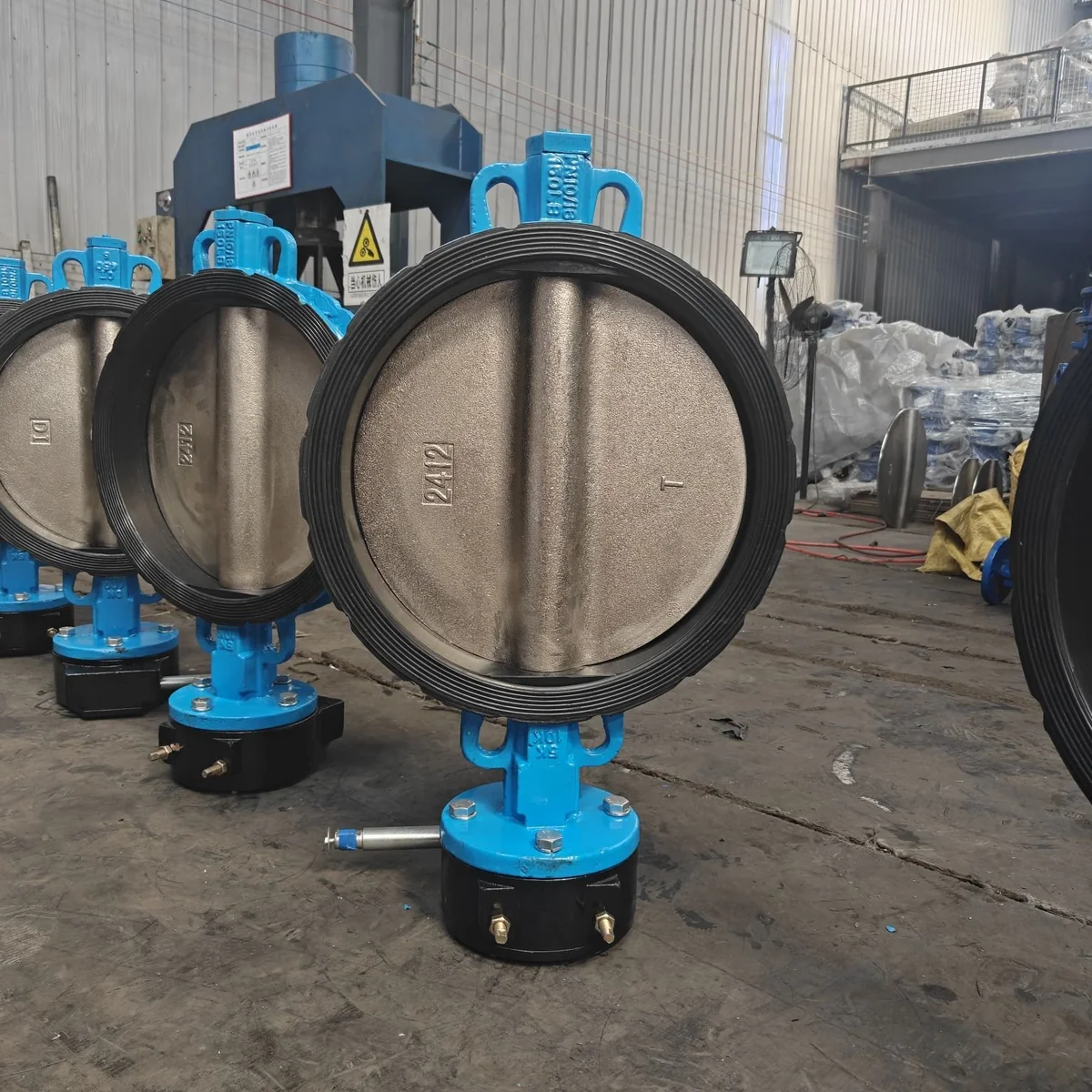
Vannes papillon à wafer
Wafer / Lug / Double excentré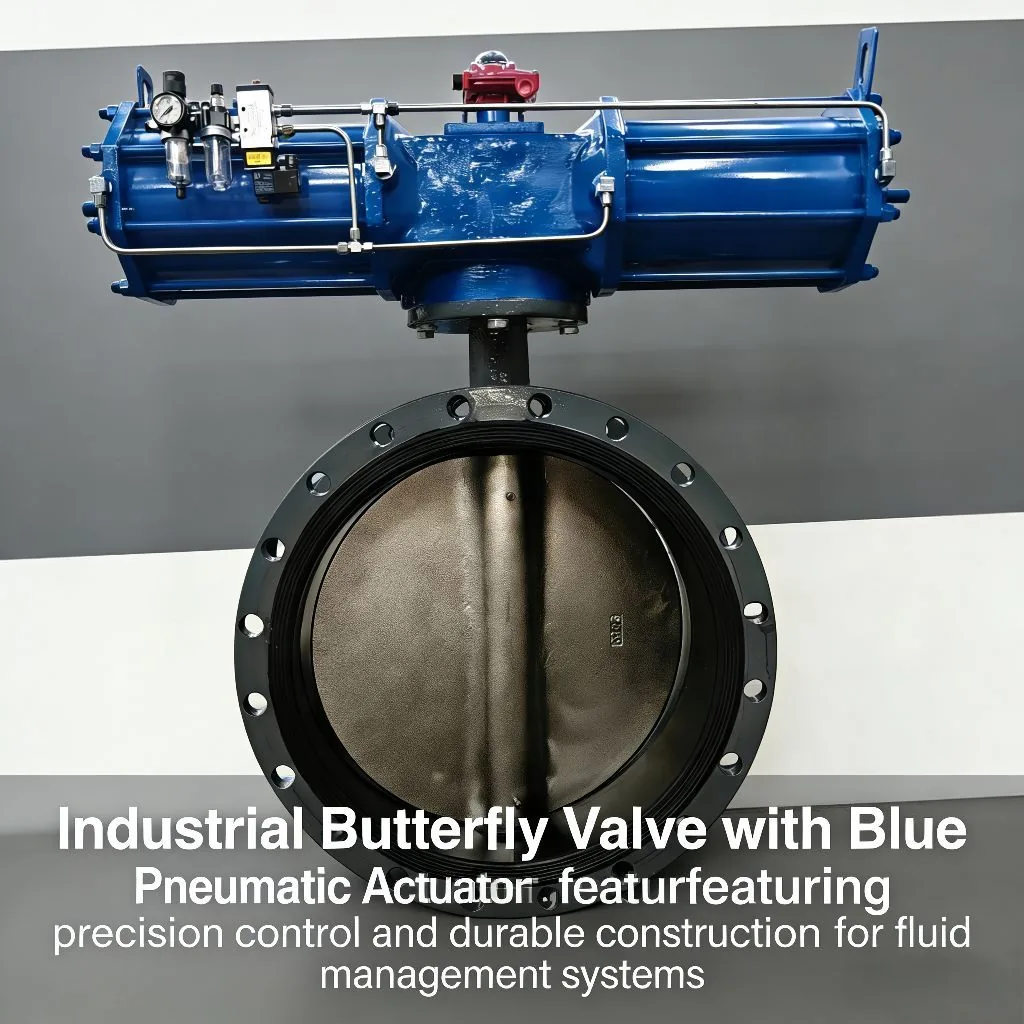
Vannes papillon pneumatiques
Rappel par ressort / Double effetVannes de régulation
Diafragma / Électrique / Guidé par cageToutes les vannes
Catalogue complet et bientôt disponibleArticles associés
Helpful guides to help you specify and maintain control valves.
Vannes papillon pneumatiques
Rappel par ressort / Double effetVannes de régulation
Diafragma / Électrique / Guidé par cage