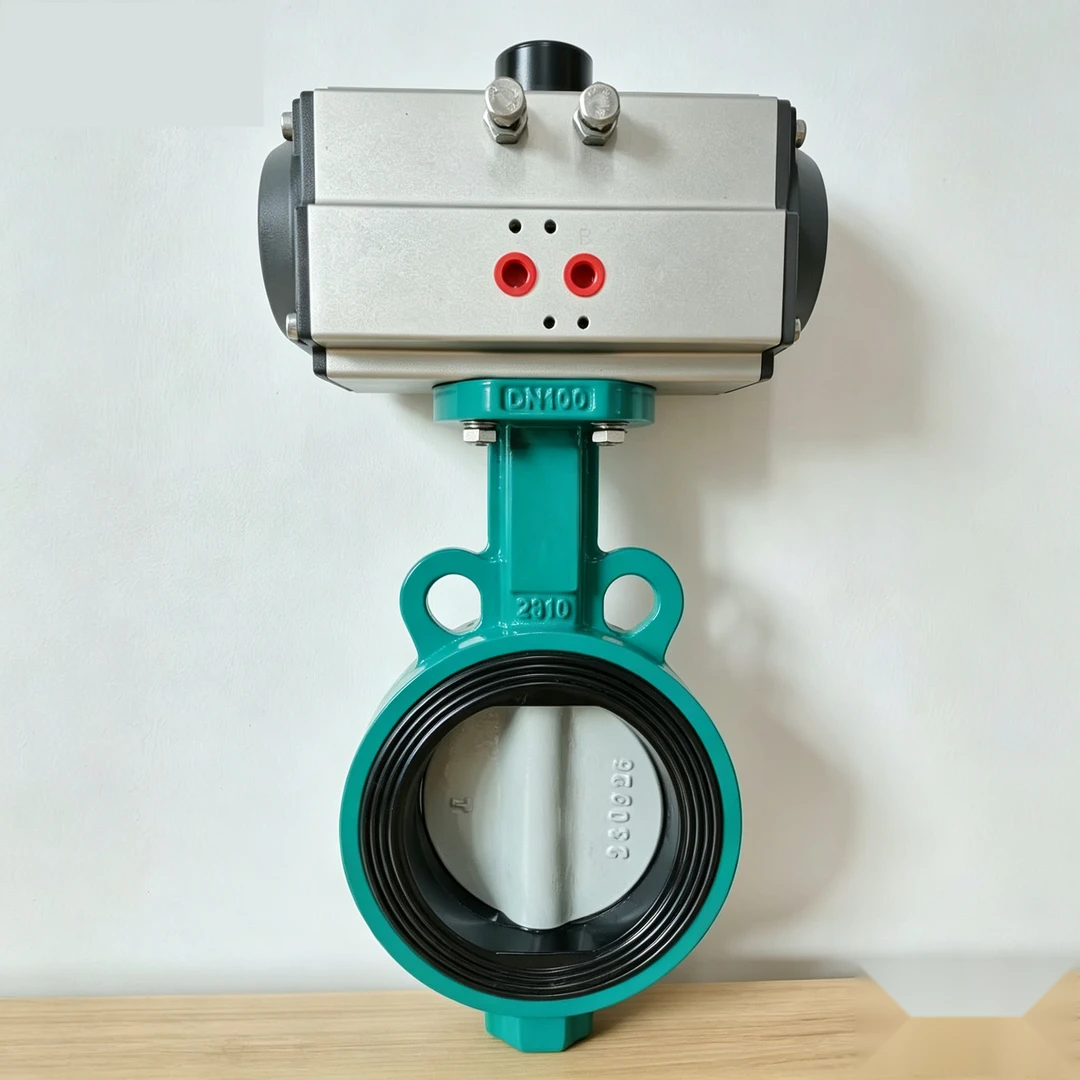
Two-Piece Threaded Ball Valve
Two-Piece Threaded · DN15–DN100 · PN16 · BSP / NPT
The two-piece threaded ball valve splits into a body and end-cap for easy in-line maintenance while keeping a small footprint — ideal where space and weight matter.
SS316 construction with BSP or NPT threads suits instrumentation, skid and compressed-air lines up to PN16.
Key Features
Bubble-Tight Shutoff
Soft PTFE seats give zero-leakage shutoff for gas, water and chemical service.
Low Torque
Floating and trunnion designs keep operating torque low for lever or compact actuators.
Anti-Blowout Stem
Stem shoulder and live-loaded packing prevent ejection under line pressure.
Fire-Safe Design
Metal-to-metal backup seat holds line pressure after a fire (design principle; no API 607 certificate held).
Actuator Ready
ISO 5211 flange accepts pneumatic or electric actuators and gearboxes.
Full / Reduced Bore
Full-bore models give unobstructed Cv; reduced-bore saves weight and cost.
Technical Specifications
| Parameter | Specification |
|---|---|
| Body Material | WCB Carbon Steel / SS304 / SS316 / CF8M |
| Ball / Trim | SS304 / SS316 / 17-4PH |
| Seat Material | PTFE / RPTFE / PEEK / Metal |
| Size Range | DN15 – DN600 (1/2" – 24") |
| Pressure Rating | PN16 (ANSI 150 / 300) |
| End Connection | Flanged / Threaded / Welded / Wafer / Tri-clamp |
| Operation | Lever / Gear / Pneumatic / Electric Actuator |
| Bore | Full Bore / Reduced Bore |
| Fire Safe | Fire-safe design with metal backup seat (design principle; no API 607 certificate held) |
| Leakage Class | Bubble-tight, ANSI ISO 5208 Rate A (soft seat) |
| Standards | API 608 / ISO 17292 / GB/T 12237 |
| Certification | ISO 9001:2015, MTC available |
How to Specify a Two-Piece Threaded Ball Valve
The two-piece threaded ball valve is the utility workhorse: small bore, screwed ends, cheap to replace. Knowing where it stops being appropriate is the useful part.
Threaded ends suit small bore and utility lines
Screwed connections are quick and need no hot work. Above roughly DN50 they become difficult to seal reliably, and a flanged or welded valve is the better answer.
Two-piece body for maintenance access
The body unscrews to give access to the ball and seats. That is the advantage over a one-piece design, at the cost of one more potential leak path.
Not for hazardous or high-pressure service
A threaded joint on toxic or high-pressure service is a leak waiting to happen. Where the consequence of a leak matters, specify welded or flanged ends.
Seat and stem packing are the wear items
On utility service the seat is usually what fails first. Confirm that replacement seats are available in your size before standardising on the valve.
Confirm the thread standard
BSP, NPT and metric threads all appear. The wrong thread standard will not seal, however much tape you use.
Installation & Maintenance
Use the right sealant for the thread
PTFE tape or a suitable thread sealant, applied to the male thread only. Over-taping can split a small body.
Support the valve when you tighten it
A pipe wrench on one end of a small valve twists the body. Hold the valve body, not the pipe, when making up the joint.
Do not use it as a shut-off for maintenance
For positive isolation during maintenance, a proper isolation valve with a documented test belongs there, not a utility ball valve.
Check the stem packing after the first week
Small ball valves often weep at the gland after initial thermal cycling. A quarter turn on the gland nut usually settles it.
Common Specification Mistakes
Assuming all threads are interchangeable
BSP and NPT are close enough to start and different enough to leak.
Using threaded ends on hazardous service
A screwed joint is the most likely leak point in the assembly.
Over-tightening into a small body
Cracks the body or distorts the seat.
Frequently Asked Questions
What is the difference between floating and trunnion ball valves?
Floating ball valves seat the ball against the downstream seat by line pressure (DN15–DN150). Trunnion-mounted balls are held by top and bottom shafts for larger sizes (DN200+) and higher pressures.
Which seat material should I choose?
PTFE / RPTFE for most chemicals and clean fluids up to +200°C. PEEK for higher temperature. Metal seat for slurry, abrasive or high-temperature service.
Can ball valves be used for throttling?
Ball valves are best for on/off. For modulating duty use our V-port control ball valves or control valves, which keep a stable characteristic curve.
Applications & Use Cases
Oil & Gas
Pipeline isolation, tank farm and loading arms with fire-safe soft seats.
Water & Utilities
Municipal water, HVAC and irrigation with flanged or wafer ends.
Chemical
Corrosive media handled in SS316 or PTFE-seated bodies.
Food & Pharma
Tri-clamp and polished SS316 ball valves for hygienic lines.