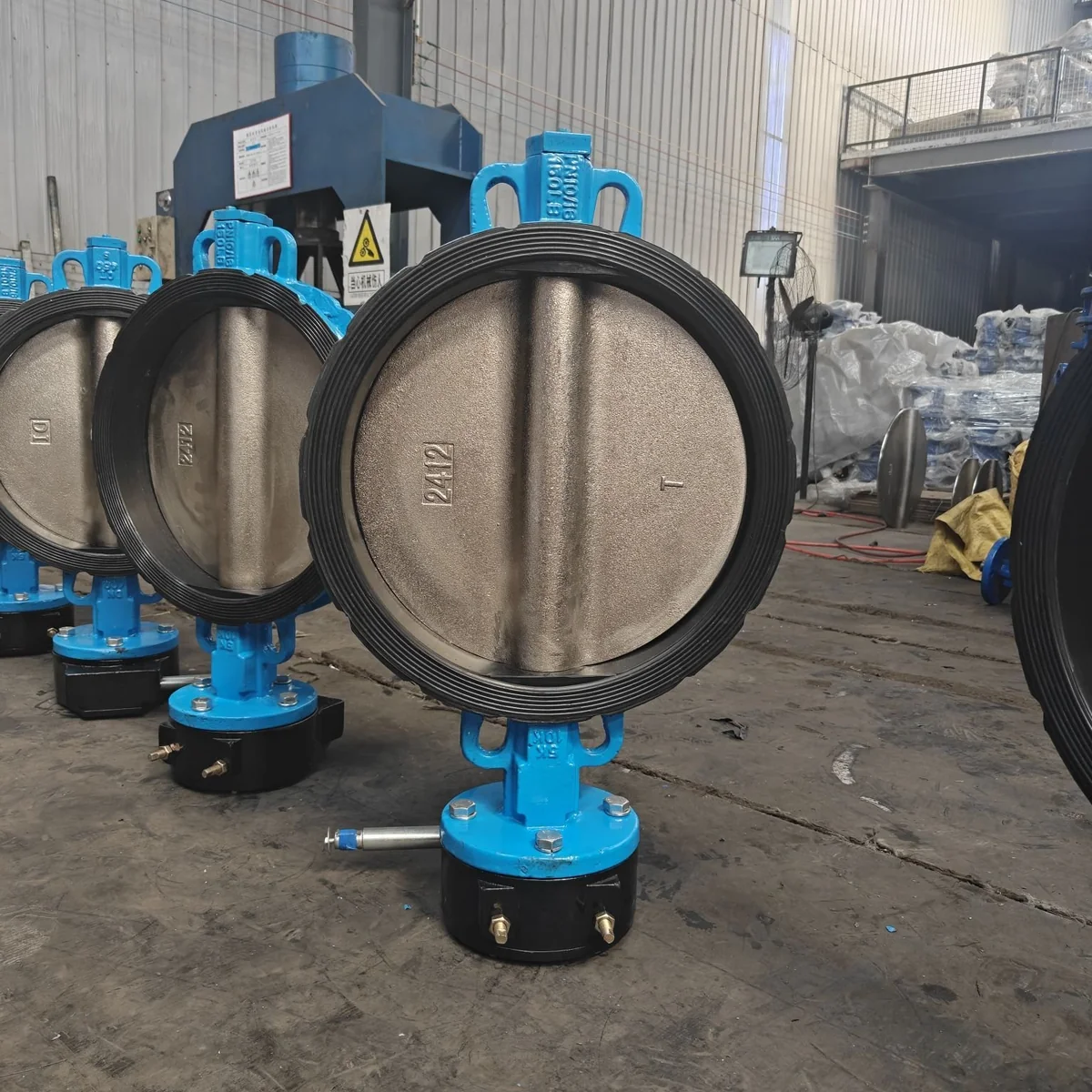
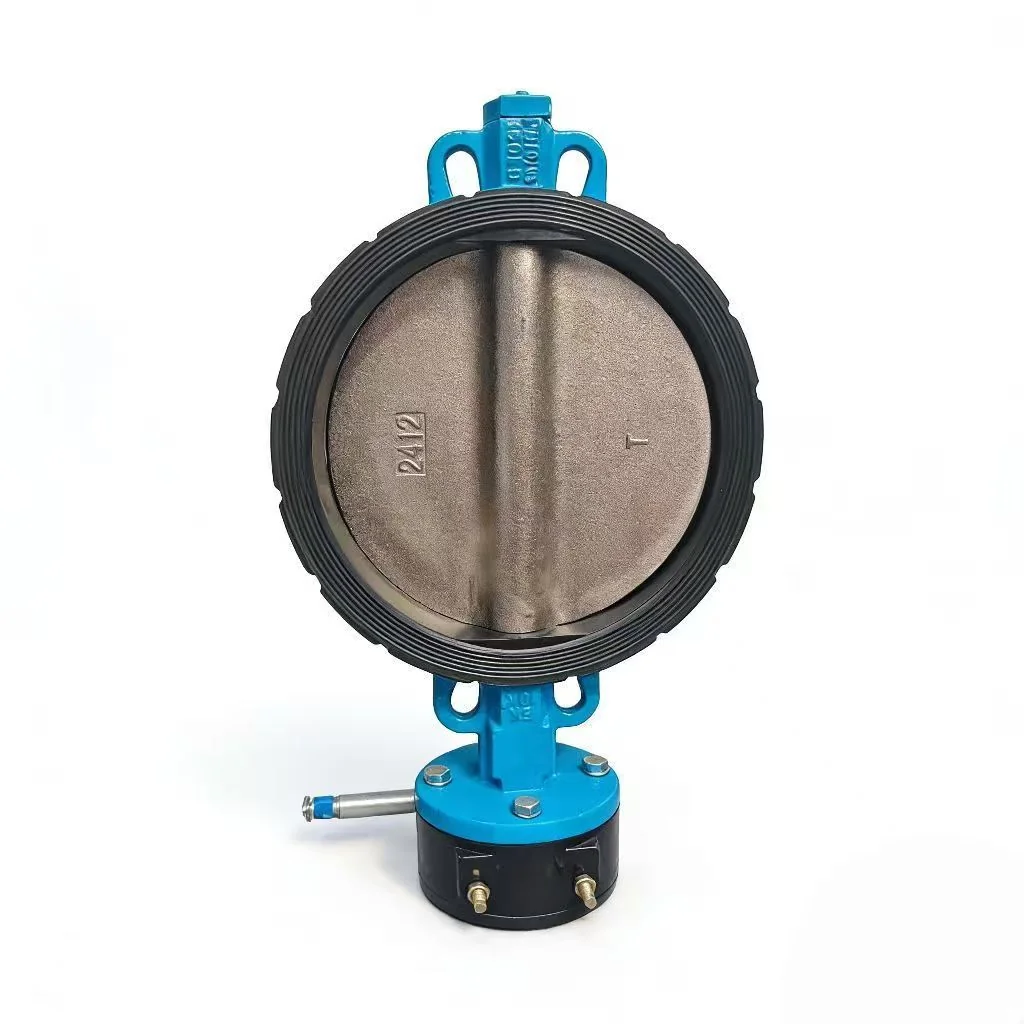
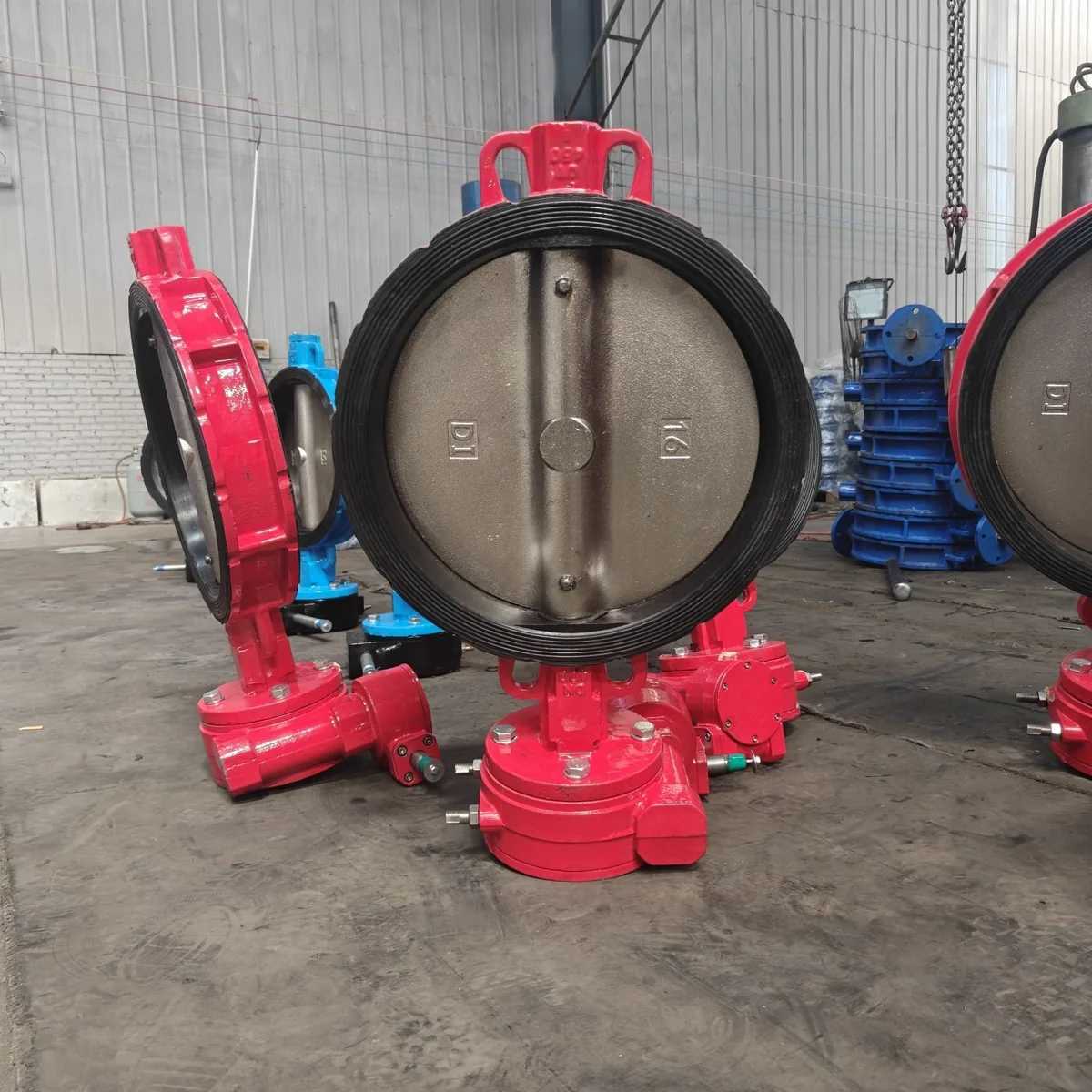
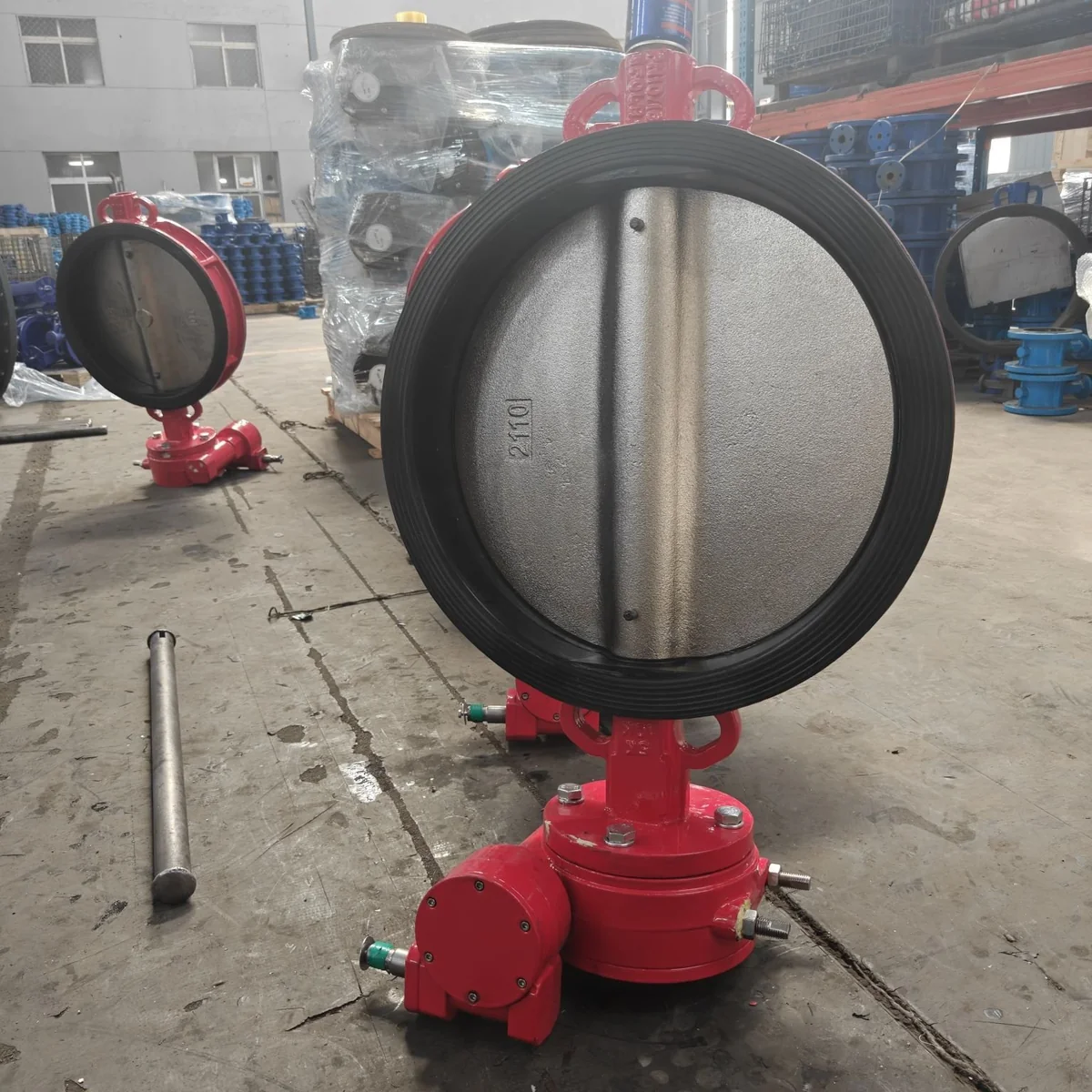
Butterfly Valves
Wafer · Lug · Double Offset · Triple Offset · Pneumatic
Reguvale's butterfly valve family offers one of the most versatile and economical valve solutions available today. From compact wafer-type valves for light-duty water and HVAC systems to high-performance triple-offset designs for severe-service steam and chemical applications, our butterfly valves combine quarter-turn speed, lightweight construction, and excellent flow characteristics at a fraction of the cost and weight of equivalent gate, globe, or ball valves.
The core of every Reguvale butterfly valve is its disc-and-seat sealing system. We offer six seat materials to match your fluid and temperature: EPDM for cold water and HVAC (−10°C to +120°C), NBR for oil and fuel services, Viton/FKM for aggressive chemicals and higher temperatures (+200°C), PTFE for corrosive acid/base environments, and metal seats (SS316/Inconel/Stellite) for high-pressure steam and high-temperature process lines up to +550°C. Body materials include ductile iron (epoxy-coated), aluminum bronze, stainless steel (CF8M/Duplex), and carbon steel.
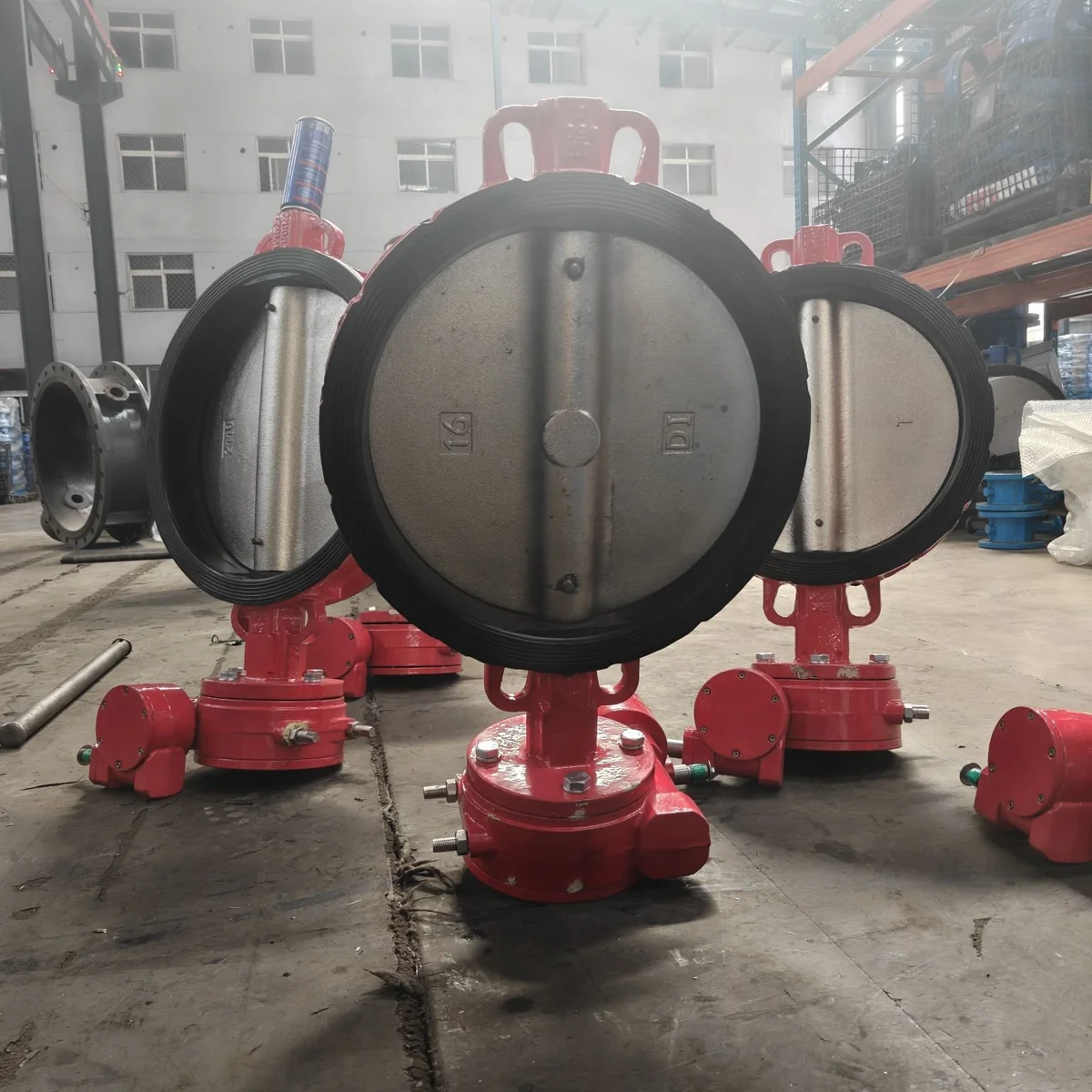
All lug-type and flanged butterfly valves are drillable to ISO 5212 for direct actuator mounting. Our pneumatic actuated packages include spring-return (fail-safe) or double-acting cylinders with limit switches and positioners, pre-assembled and function-tested before shipping. Lead times: standard valves 5–7 days; actuated assemblies 10–14 days.
For guidance on which seat material, body pattern and actuator interface suit chilled water, glycol, condenser water and district cooling networks, see our valves for HVAC and district cooling page.
Key Features
Compact & Lightweight
A butterfly valve typically weighs 1/6th to 1/10th of an equivalent gate valve and requires far less installation space. This means lighter pipe supports, smaller valve chambers, and easier handling in the field.
Quarter-Turn Speed
90° rotation from fully closed to fully open in under 2 seconds (manual lever) or 1 second (actuated). Ideal for rapid-isolation applications like emergency shutdown (ESD) systems.
Tight Shutoff Performance
Concentric rubber-seated valves achieve ISO 5208 Rate A (bubble-tight) shutoff. Double-offset (high-performance) designs reduce friction and wear. Triple-offset metal-seated valves reach ISO 5208 Rate B or better for steam/gas.
Size & Pressure Range
DN50 to DN600 as standard, larger bodies up to DN1200 on request; PN10/16 for concentric, PN16/25/40/Class 150/300 for offset types. Special sizes beyond DN1200 available on request.
Actuation Flexibility
Manual lever, gear operator, spring-return pneumatic (fail-open/fail-close), double-acting pneumatic, electric (ON/OFF or modulating 4-20mA), and hydraulic actuator options.
Low Lifecycle Cost
Fewer moving parts than gate/globe valves, replaceable seat rings without removing the valve from the line (lug/flanged type), and no regular lubrication requirement –total cost of ownership is among the lowest.
Technical Specifications
| Parameter | Specification |
|---|---|
| Body Material | Ductile Iron (GJS400-18/GGG50) Epoxy-Coated / CF8M SS316 / Aluminum Bronze / WCB |
| Disc Material | SS304 / SS316 / Ductile Iron Nickel-Al-Bronze Plated / Aluminum Bronze |
| Seat Material | EPDM / NBR / Viton(FKM) / PTFE / Metal Seat (SS316/Inconel 625/Stellite) |
| Design Type | Concentric (Rubber-Lined) / Double Offset / Triple Offset |
| Size Range | DN50 – DN600 standard; larger bodies up to DN1200 on request |
| Pressure Rating | PN10 / PN16 / PN25 / PN40 / Class 150 / Class 300 |
| Installation | Wafer (Sandwich Between Flanges) / Lug (Threaded Inserts) / Double Flange |
| Operation | Lever Handle / Worm Gearbox (10:1 to 200:1 ratio) / Pneumatic / Electric |
| Temperature | EPDM: −20→+120°C | NBR: −20→+82°C | Viton: −15→+200°C | PTFE: −20→+200°C | Metal seat: up to about +550°C |
| Leakage Class | Concentric: ISO 5208 Rate A | double/triple-offset: Rate B / C |
| Standards | EN 593 (product) · EN 558 (face-to-face) · ISO 5752 · MSS SP-67 · JIS B2032 · flange drilling to EN 1092-2 or ASME B16.5 |
| Certification | ISO 9001:2015, SGS-CSTC factory audit report (on request) · MTC per batch |
Which Standard Will Your Valve Be Built To?
Two standard systems are in daily use, and a valve built to one will not bolt up to the other. Tell us which one your specification names.
| Item | European (EN / ISO) | American (ASME / API) |
|---|---|---|
| Product standard | EN 593 | API 609 (Category A / B) |
| Face-to-face length | EN 558 (basic series 20) | API 609 / MSS SP-67 |
| Flange drilling | EN 1092-2, PN10 / PN16 | ASME B16.5 Class 150 |
| Pressure test | EN 12266-1 | API 598 |
| Top flange (actuator mounting) | ISO 5211 | ISO 5211 |
The bolt circle and bolt count differ between EN 1092-2 and ASME B16.5 at the same DN, so the two are not interchangeable — a mixed line needs an adapter or a spool piece. Our standard production is drilled to EN 1092-2 PN10/PN16; Class 150 drilling is available on the same body. If you are not sure which applies to your line, see the DN / PN conversion and pressure rating chart, or send us the flange standard from your line list and we will confirm the drilling before you order.
Seat Selection, Including PTFE
The seat decides the temperature limit, the chemical compatibility and — on abrasive duty — the service life. It is the item to change when a valve fails early.
| Seat | Temperature range | Best for | Avoid |
|---|---|---|---|
| EPDM | −20 to +120 °C | Potable water, cooling water, CIP cleaning, mild acids and bases | Oils, fuels and aromatic solvents |
| PTFE | −20 to +200 °C | Aggressive chemicals, chlorine and hypochlorite dosing, steam and hot water, hygienic lines | Highly abrasive slurries |
| Viton / FKM | −15 to +200 °C | Oils, solvents and hydrocarbons | Ketones, esters, hot water and steam |
| Metal seat (on request) | up to about +550 °C | High-temperature steam and process lines | Bubble-tight shutoff — metal seats are not drop-tight |
PTFE-seated butterfly valves
PTFE is chosen when the medium would swell, soften or attack a rubber seat: acids, alkalis, solvents, chlorine and hypochlorite dosing lines, and hot water or steam up to about +200 °C. In a concentric butterfly valve the PTFE is fitted as a liner or sleeve in the body bore with a matching disc edge, so the seal is made by interference rather than by rubber deformation.
Two practical points. First, PTFE has far less elasticity than rubber, so it needs a clean medium — abrasive particles damage the liner edge and the valve then weeps. Second, PTFE cold-flows under sustained load, so the usable pressure at high temperature is confirmed project by project rather than read off a single table. Send us the medium, its concentration and the working temperature and we will confirm the seat compound and the pressure rating.
Frequently Asked Questions
Common questions about butterfly valves answered by our engineering team.
Wafer type vs lug type vs flanged –which should I choose?
Wafer: Sandwiched between two pipe flanges using through-bolts. Cheapest, lightest, but one side must stay bolted for maintenance. Best for non-critical, dead-end not needed.
Lug: Has threaded inserts (lugs) with independent bolts. One side can be disconnected while the valve stays sealed against the other flange –ideal for dead-end service, tanks, equipment isolation.
Flanged (double-flanged): Has its own integral flanges matching pipe flanges. Strongest, supports pipe loads, best for large sizes (DN300+), buried service, and high-vibration applications.
What seat material should I select for my application?
EPDM: Best all-round for water, air, and weak chemicals up to +120°C. Most common choice.
NBR (Buna-N): Good for oils, fuels, petroleum products, aliphatic hydrocarbons. Avoid with aromatic solvents and strong oxidizers.
Viton/FKM: Excellent for acids, aromatics, and high temperatures up to +200°C. Costlier but essential for chemical processing.
PTFE: Near-universal chemical resistance. Used for corrosive acids/bases. Lower temperature limit than rubber (cold-flow concern below 0°C).
Metal seat (SS316/Inconel/Stellite): Required for steam above +180°C, high-pressure gas, and services with abrasive particles that would embed in rubber seats.
Can butterfly valves be used for throttling / flow regulation?
Yes –within limits. Concentric rubber-lined valves modulate reasonably well in the 20°–70° open range and are commonly used for balancing in HVAC systems. However, for precise control or high ΔP service, double-offset or triple-offset valves with characterized discs give much better linearity, less torque variation, and longer seat life under cycling conditions.
What is double-offset vs triple-offset butterfly valve?
Double-offset (High-Performance): The shaft is offset behind the disc centerline and also offset from the body centerline. This causes the disc to swing away from the seat immediately upon opening, reducing friction and wear. Good for higher pressure/temperature than concentric, up to ~+230°C.
Triple-offset: Adds a geometric conical seat shape as a third offset. The metal-seated disc contacts the seat only at the fully closed position with zero rubbing during opening/closing cycle. Enables metal-to-metal ISO 5208 Rate B shutoff in steam and high-temperature gas service up to +550°C, replacing gate and globe valves at a fraction of the weight and cost.
How do I size a pneumatic actuator for my butterfly valve?
The actuator torque must exceed the valve's breakaway (opening) torque plus a safety factor of 1.3–1.5×. Key factors: valve size (larger = more torque), pressure differential (higher ΔP = more torque), seat material (rubber has more friction than metal), and whether it's spring-return (spring force adds to required torque). Send us your valve model, size, pressure rating, and fail-position preference –we'll specify the correct actuator package pre-mounted and tested.
What maintenance do butterfly valves require?
Rubber-lined concentric valves are nearly maintenance-free for 10–15 years in clean water service. Periodic checks: inspect seat for wear/cracks, check disc/stem for corrosion, verify actuator torque. Lug and flanged types allow in-line seat replacement. For offset valves: check seals, re-torque body bolts if needed, and lubricate the gearbox (if equipped) annually. In dirty/slurry service, plan more frequent inspections.
Applications & Use Cases
Water Treatment Plants
Raw water intake, clarifier inlet/outlet, filter backwash, disinfection lines
HVAC & Chilled Water
Chiller/cooling tower isolation, AHU coil control, thermal energy storage
Chemical Process Industries
Caustic/solvent/acid transfer lines, batch reactor feed, tank farm
Power Generation
Cooling water circulation, boiler feedwater auxiliary, FGD slurry handling
Marine & Offshore
Sea water cooling, ballast water treatment, bilge/fire main systems
Related Products
Wafer Butterfly Valves
Wafer / Lug / Double Offset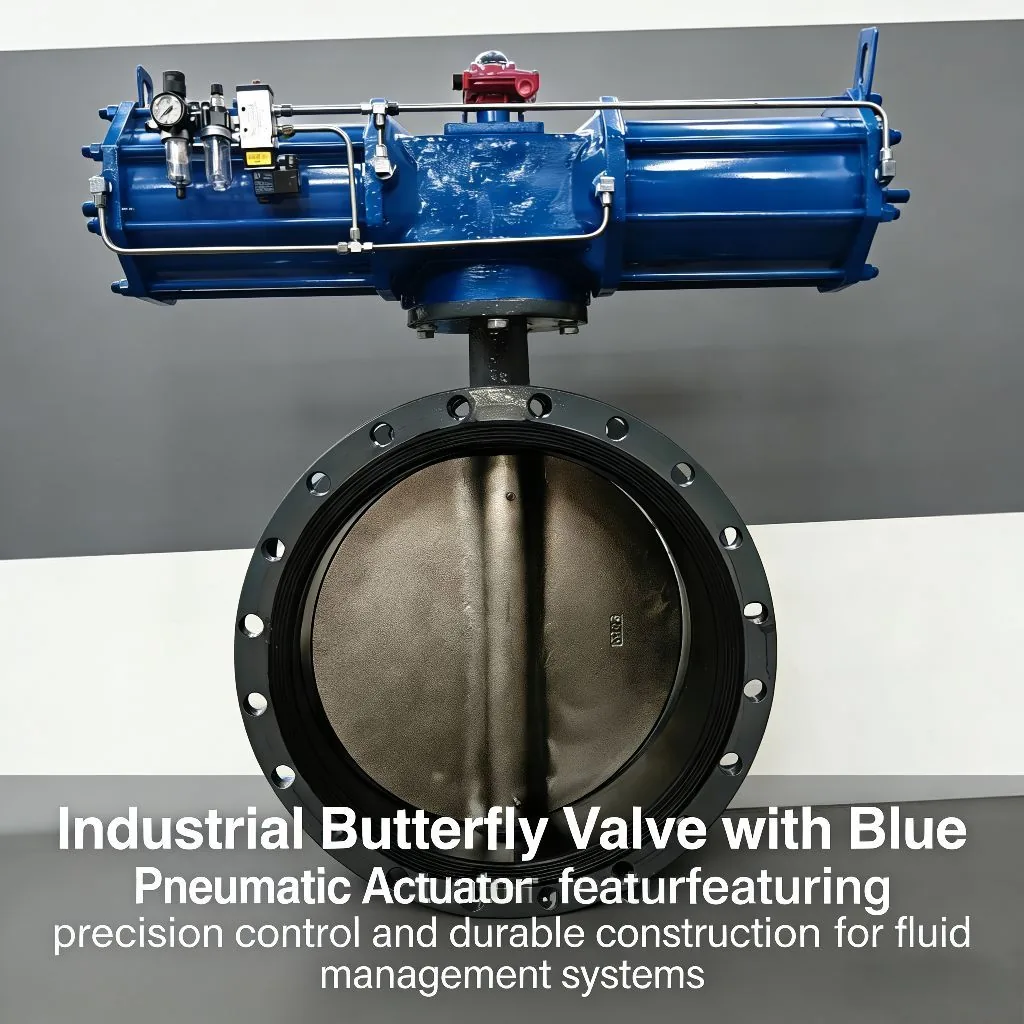
Pneumatic Butterfly Valves
Spring Return / Double Acting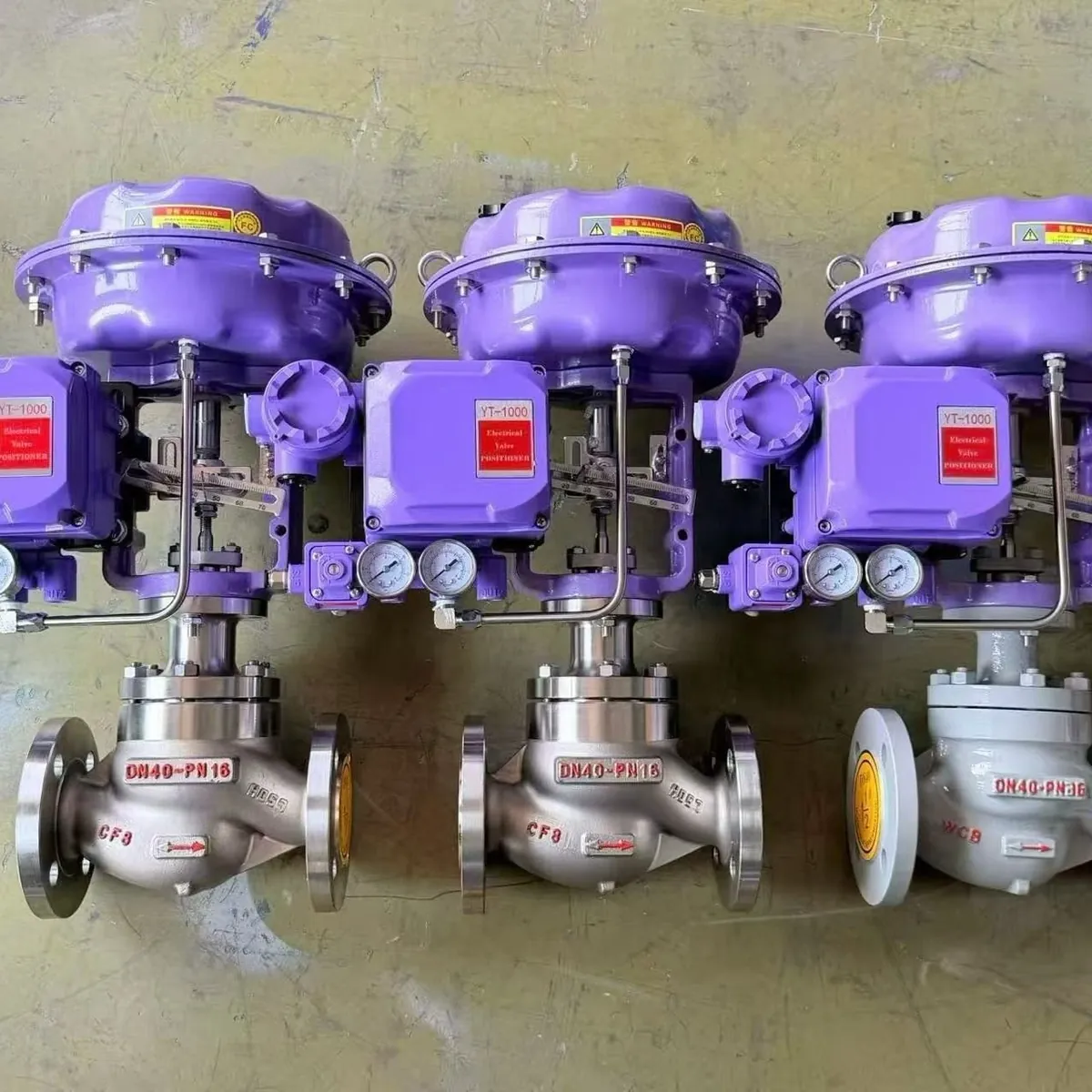
Control Valves
Diaphragm / Electric / Cage-GuidedAll Valves
Full catalog and coming soonWhere We Ship
Reguvale supplies this range to project buyers, contractors and stockists in these markets — every page lists typical applications, discharge ports and shipping times.
Pakistan · Bangladesh · Nigeria · Ghana · Kenya · Uganda · Egypt · Sri Lanka · Vietnam · Philippines · Chile · South Africa · All markets →
Related Articles
Helpful guides to help you specify and maintain butterfly valves.