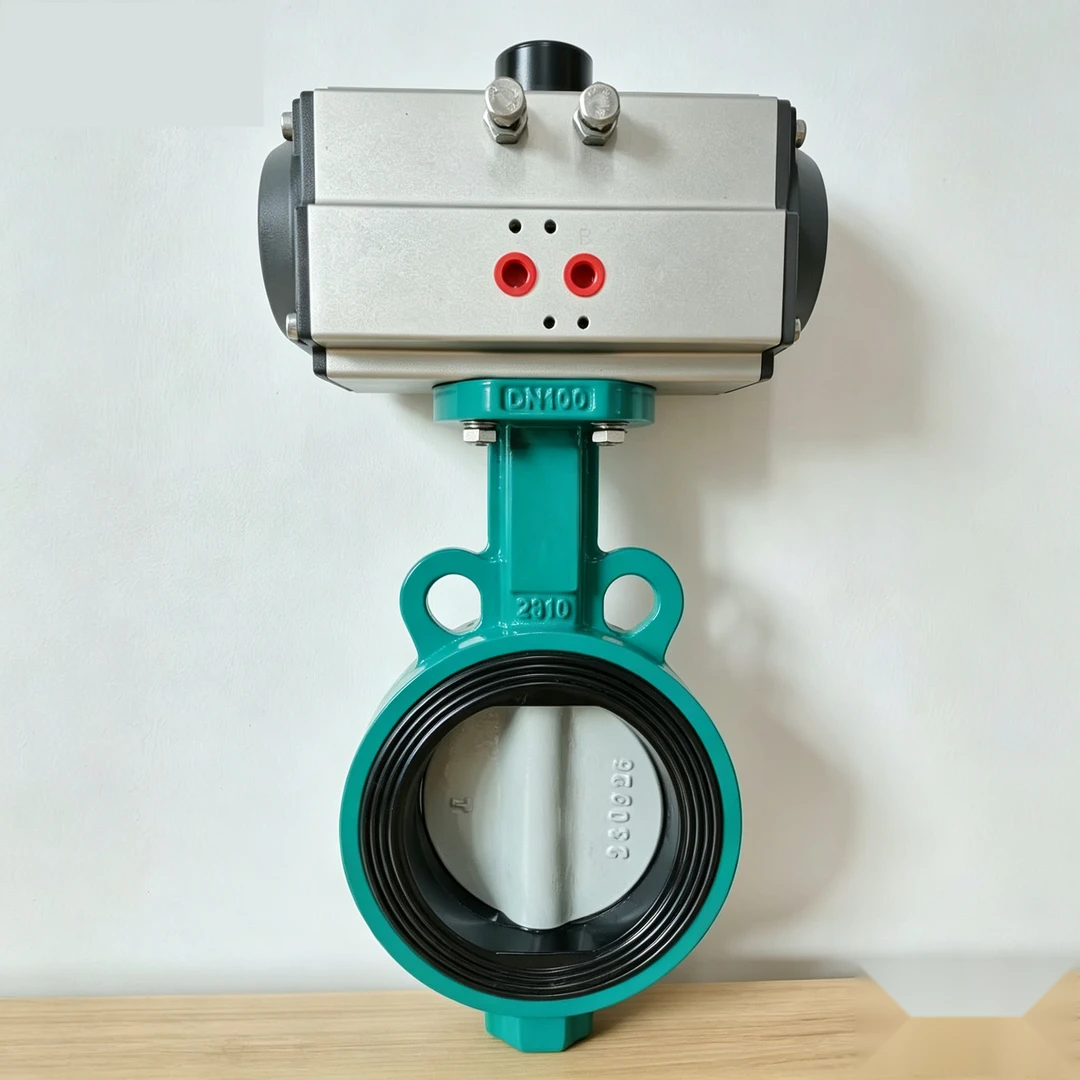
Metal Seated Gate Valve
Metal Seated · DN40–DN600 · PN16 · SS316 / Stellite
When temperatures exceed resilient limits, the metal seated gate valve with SS316 or Stellite wedge keeps sealing up to +425°C.
Used on steam headers, thermal oil and power-plant auxiliaries where soft seats would fail.
Key Features
Tight Isolation
Wedge-to-seat geometry gives reliable shutoff with minimal leakage.
Low Pressure Loss
Straight-through bore keeps pressure drop near zero in open position.
Rising / Non-Rising Stem
OS&Y rising stem shows open/closed at a glance; NRS suits buried service.
Resilient or Metal Seat
EPDM/NBR for water; SS316/Stellite for steam and slurry.
Bi-Directional
Wedge disc seals in both flow directions for flexible installation.
Actuator Ready
Top flange accepts gearbox, pneumatic or electric actuators.
Technical Specifications
| Parameter | Specification |
|---|---|
| Body Material | WCB / SS304 / SS316 / Ductile Iron GGG50 |
| Wedge / Disc | Solid Wedge / Flexible Wedge / Parallel Slide |
| Seat Material | Resilient (EPDM / NBR) / Metal (SS316 / Stellite) |
| Size Range | DN40 – DN1200 (1.5" – 48") |
| Pressure Rating | PN10 / PN16 (ANSI 150 / 300) |
| End Connection | Flanged (ISO 7005-2 / ASME B16.5) / Butt-Weld |
| Stem Type | Rising Stem (OS&Y) / Non-Rising Stem |
| Operation | Handwheel / Gearbox / Pneumatic / Electric |
| Temperature | Resilient: -10→+80°C ; Metal: -40→+425°C |
| Leakage | Tight shutoff, bubble-tight with resilient seat |
| Standards | Design reference: API 600 / GB/T 12234 / EN 1171 — no API monogram held (API 609 applies to butterfly valves, not gate valves) |
| Certification | ISO 9001:2015, MTC available |
How to Specify a How to Specify a Metal Seated Gate Valve
Metal-seated gate valves are specified where soft seats cannot survive: high temperature, steam, and lines where a small seat leak is unacceptable.
Temperature is the reason to choose metal
A metal seat covers roughly −40 to +425°C against −10 to +80°C for resilient. If the line runs above +80°C, this is not an option, it is the requirement.
Expect a tighter leakage class to be harder
A metal-to-metal seat is lapped to seal, but it will not give the bubble-tight performance of an elastomer seat when new. If the specification demands zero leakage, weigh up whether a metal seat can genuinely deliver it in your service.
Disc style follows the application
Solid wedge suits clean media; flexible wedge tolerates some thermal distortion; parallel slide suits high-temperature steam where a wedge can stick on cooling.
Trim material for the temperature and the medium
SS316 covers most elevated-temperature water and steam. Stellite overlay is for high temperature combined with erosion or frequent cycling.
Thermal cycling changes the bolting
A metal-seated valve on a cyclically hot line needs the bonnet bolting re-torqued after the first heat-up. Allow for that in your commissioning plan.
Installation & Maintenance
Set the valve closed before welding
Weld heat through the flanges distorts a lapped seat. Weld with the valve closed and cool it slowly, or fit after welding with a spool piece.
Watch the valve on a cooling line
A wedge can stick as the body contracts on cooling. On lines that cycle between hot and cold, exercise the valve after the first cooling cycle.
Check the flange alignment before bolting
A metal seat is far less tolerant of pipe strain than a rubber seat. Pull the flanges together with bolts and the seat will leak from day one.
Record the torque needed to close it
A rising closing torque over time tells you the seat is wearing. On a critical isolation valve that reading is worth more than an inspection.
Common Specification Mistakes
Expecting bubble-tight performance from a metal seat
Metal seats are lapped, not resilient. Class expectations differ.
Ignoring pipe strain at installation
A lapped seat will not compensate for misaligned flanges.
Not re-torquing after the first thermal cycle
The most common cause of a weeping bonnet joint on a hot line.
Frequently Asked Questions
When should I use a rising-stem (OS&Y) gate valve?
Use OS&Y where you need visual confirmation of open/closed position — typical for fire protection and above-ground piping. Non-rising stem suits buried or space-limited installs.
Resilient seated or metal seated?
Resilient (EPDM/NBR) seats give bubble-tight shutoff for clean water up to +80°C. Metal seats handle steam, slurry and temperatures up to +425°C.
Why choose a knife gate valve?
Knife gate valves have a sharpened disc that cuts through slurry, pulp and viscous media — ideal for mining, wastewater and bulk solids.
Applications & Use Cases
Water & Wastewater
Resilient-seated gate valves for mains, hydrants and treatment plants.
Fire Protection
OS&Y gate valves for sprinkler and hydrant systems.
Power & Steam
Metal-seated wedge gates for high-temperature steam lines.
Mining & Slurry
Knife gate valves for abrasive and viscous process streams.