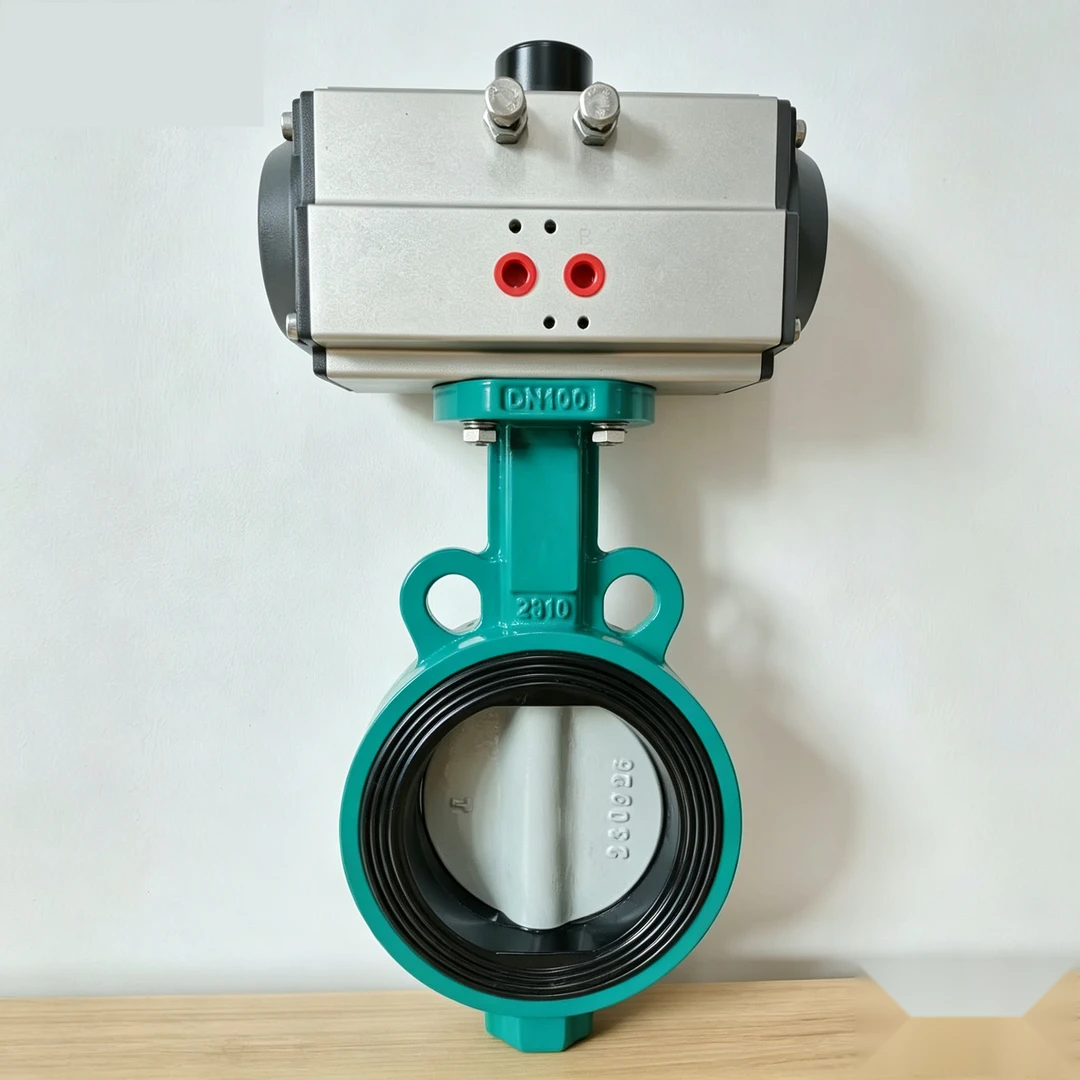
Resilient Seated Gate Valve
Resilient Seated · DN40–DN600 · PN16 · EPDM / NBR
The resilient seated gate valve uses an EPDM or NBR-encapsulated wedge for bubble-tight shutoff in potable and wastewater mains.
Fusion-bonded epoxy body and a non-rising or rising stem make it the standard for municipal water networks.
Key Features
Tight Isolation
Wedge-to-seat geometry gives reliable shutoff with minimal leakage.
Low Pressure Loss
Straight-through bore keeps pressure drop near zero in open position.
Rising / Non-Rising Stem
OS&Y rising stem shows open/closed at a glance; NRS suits buried service.
Resilient or Metal Seat
EPDM/NBR for water; SS316/Stellite for steam and slurry.
Bi-Directional
Wedge disc seals in both flow directions for flexible installation.
Actuator Ready
Top flange accepts gearbox, pneumatic or electric actuators.
Technical Specifications
| Parameter | Specification |
|---|---|
| Body Material | WCB / SS304 / SS316 / Ductile Iron GGG50 |
| Wedge / Disc | Solid Wedge / Flexible Wedge / Parallel Slide |
| Seat Material | Resilient (EPDM / NBR) / Metal (SS316 / Stellite) |
| Size Range | DN40 – DN1200 (1.5" – 48") |
| Pressure Rating | PN10 / PN16 (ANSI 150 / 300) |
| End Connection | Flanged (ISO 7005-2 / ASME B16.5) / Butt-Weld |
| Stem Type | Rising Stem (OS&Y) / Non-Rising Stem |
| Operation | Handwheel / Gearbox / Pneumatic / Electric |
| Temperature | Resilient: -10→+80°C ; Metal: -40→+425°C |
| Leakage | Tight shutoff, bubble-tight with resilient seat |
| Standards | Design reference: API 600 / GB/T 12234 / EN 1171 — no API monogram held (API 609 applies to butterfly valves, not gate valves) |
| Certification | ISO 9001:2015, MTC available |
How to Specify a How to Specify a Resilient Seated Gate Valve
Resilient-seated gate valves are the workhorse of water distribution. The whole design intent is bubble-tight shut-off at modest cost, and the failure modes are predictable.
Resilient seated is for water, not for steam
The elastomer seat gives bubble-tight closure from −10 to +80°C. Above that the rubber takes a compression set and stops sealing — use a metal-seated valve instead.
Confirm the seat compound against the water
EPDM is the normal choice for potable water and handles chlorination. NBR suits oils and some wastewaters. If the line carries hydrocarbons or aggressive effluent, say so before ordering.
Fully rubber-encapsulated wedge or seat rings
The distinction affects service life: an encapsulated wedge keeps metal out of the flow path entirely, which matters in aggressive water. Ask which construction you are being quoted.
Buried or surface installation
Buried valves need a non-rising stem or a stem extension. Getting this wrong is discovered only after the trench is backfilled.
Stem and bonnet material for the environment
A stainless stem costs little and prevents the seized handwheel that appears two years into a wet pit installation.
Installation & Maintenance
Keep the valve off the trench bottom
A buried valve should sit on a bed of compacted sand or gravel, not directly on the excavation, or the body stresses as the ground settles.
Install a valve box with clear access to the stem
The most expensive part of a buried valve is excavating it again. Set the box so the operating nut is reachable with a standard key.
Do not use it for throttling
A partially open resilient gate erodes the rubber seat. If the line needs regulation, a butterfly or globe valve belongs there instead.
Exercise the valve annually
Gate valves that are never operated seize. A documented annual stroke is the cheapest maintenance in a water network.
Common Specification Mistakes
Throttling through a resilient gate
Vibration in a part-open gate destroys the seat.
Specifying it for steam or hot water above +80°C
The elastomer will not hold.
Forgetting the stem extension on a buried installation
The valve has to be dug up again to be operated.
Frequently Asked Questions
When should I use a rising-stem (OS&Y) gate valve?
Use OS&Y where you need visual confirmation of open/closed position — typical for fire protection and above-ground piping. Non-rising stem suits buried or space-limited installs.
Resilient seated or metal seated?
Resilient (EPDM/NBR) seats give bubble-tight shutoff for clean water up to +80°C. Metal seats handle steam, slurry and temperatures up to +425°C.
Why choose a knife gate valve?
Knife gate valves have a sharpened disc that cuts through slurry, pulp and viscous media — ideal for mining, wastewater and bulk solids.
Applications & Use Cases
Water & Wastewater
Resilient-seated gate valves for mains, hydrants and treatment plants.
Fire Protection
OS&Y gate valves for sprinkler and hydrant systems.
Power & Steam
Metal-seated wedge gates for high-temperature steam lines.
Mining & Slurry
Knife gate valves for abrasive and viscous process streams.