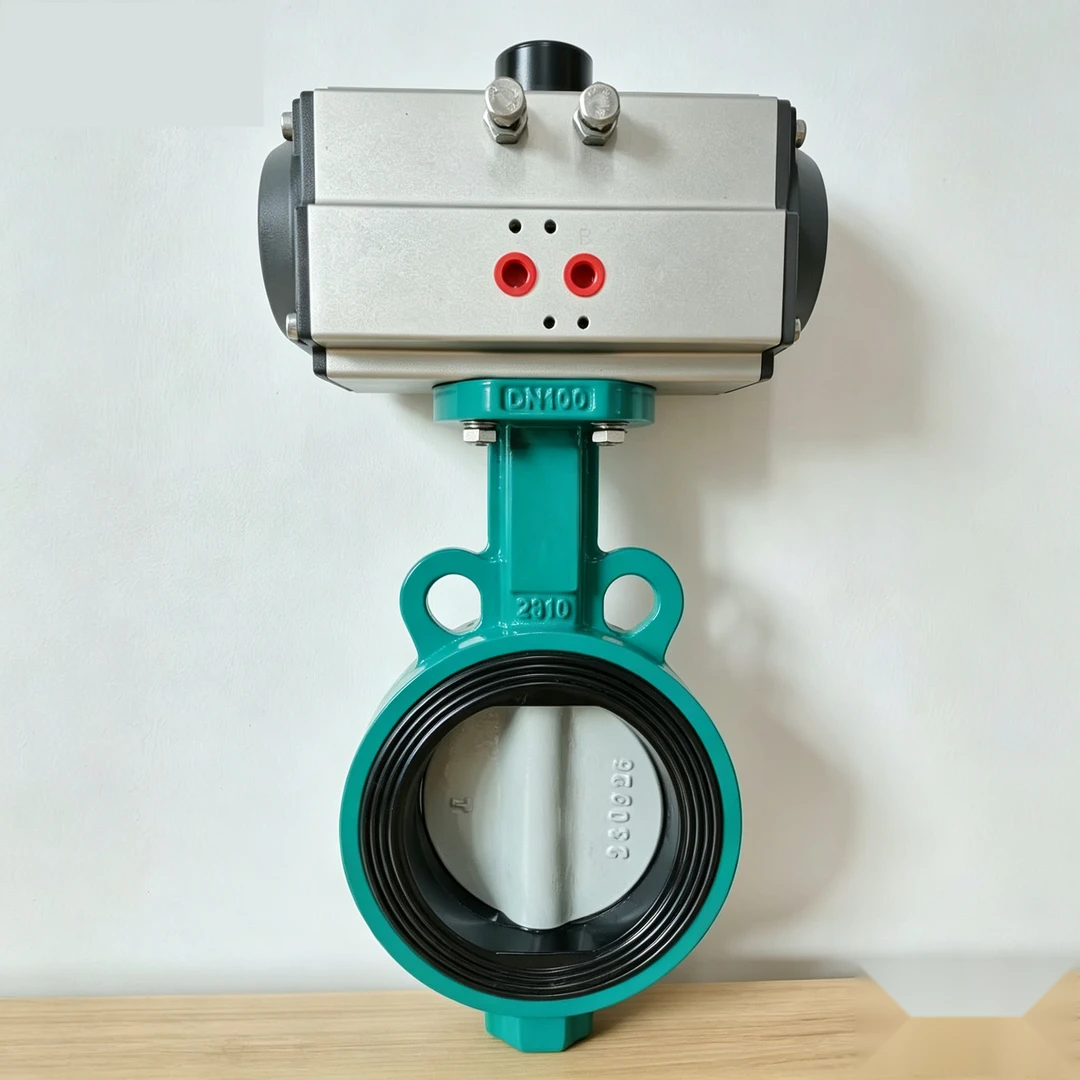
Wedge Gate Valve Carbon Steel
Wedge Gate Carbon Steel · DN40–DN600 · PN16 · WCB
The classic carbon steel wedge gate valve gives straight-through, low-loss isolation for steam, oil and general plant piping.
Solid or flexible wedge in WCB with flanged ends per ASME B16.5 for PN16 duty.
Key Features
Tight Isolation
Wedge-to-seat geometry gives reliable shutoff with minimal leakage.
Low Pressure Loss
Straight-through bore keeps pressure drop near zero in open position.
Rising / Non-Rising Stem
OS&Y rising stem shows open/closed at a glance; NRS suits buried service.
Resilient or Metal Seat
EPDM/NBR for water; SS316/Stellite for steam and slurry.
Bi-Directional
Wedge disc seals in both flow directions for flexible installation.
Actuator Ready
Top flange accepts gearbox, pneumatic or electric actuators.
Technical Specifications
| Parameter | Specification |
|---|---|
| Body Material | WCB / SS304 / SS316 / Ductile Iron GGG50 |
| Wedge / Disc | Solid Wedge / Flexible Wedge / Parallel Slide |
| Seat Material | Resilient (EPDM / NBR) / Metal (SS316 / Stellite) |
| Size Range | DN40 – DN1200 (1.5" – 48") |
| Pressure Rating | PN10 / PN16 (ANSI 150 / 300) |
| End Connection | Flanged (ISO 7005-2 / ASME B16.5) / Butt-Weld |
| Stem Type | Rising Stem (OS&Y) / Non-Rising Stem |
| Operation | Handwheel / Gearbox / Pneumatic / Electric |
| Temperature | Resilient: -10→+80°C ; Metal: -40→+425°C |
| Leakage | Tight shutoff, bubble-tight with resilient seat |
| Standards | Design reference: API 600 / GB/T 12234 / EN 1171 — no API monogram held (API 609 applies to butterfly valves, not gate valves) |
| Certification | ISO 9001:2015, MTC available |
How to Specify a How to Specify a Wedge Gate Valve Carbon Steel
A carbon steel wedge gate valve is the default isolation valve on oil, gas and general industrial lines. Choosing it is easy; choosing the trim is what matters.
WCB is for non-corrosive service
Carbon steel (WCB) is right for oil, gas, steam and treated water. It is not right for acids, seawater or chloride-rich produced water — those need SS316 or a lined valve.
Solid or flexible wedge
A solid wedge is strongest and cheapest, and suits clean media at stable temperature. A flexible wedge accommodates thermal distortion and is the usual choice where the line cycles hot and cold.
Trim material for the medium
Standard trim is fine for clean hydrocarbons. Sour service, wet CO2 or any chloride content calls for a different trim — state the medium chemistry rather than just the application.
End connection and pressure class together
Flanged, butt-weld or threaded, and PN10/16/25 or ANSI 150/300, all appear in the same size range. The flange drilling must be stated on the enquiry or the valve will not bolt up.
Stem type follows access and indication
Rising stem (OS&Y) shows position at a glance and is standard for fire and safety isolation. Non-rising stem fits where headroom is limited.
Installation & Maintenance
Support large valves
A DN300 carbon steel gate valve is heavy. It should not be carried by the pipework alone.
Weld with the valve fully open or fully closed as specified
For a weld-end gate valve, follow the supplier instruction — welding with the disc mid-travel traps heat in the seat.
Leave the valve fully open or fully closed
A gate valve is an isolation device. Parking it part-open erodes the seat faces and produces vibration.
Check the packing gland after commissioning
Graphite packing takes up on first operation. One adjustment early saves a slow drip onto hot insulation.
Common Specification Mistakes
Carbon steel in chloride service
WCB corrodes rapidly in seawater and chloride-rich produced water.
Using a gate valve for regulation
The turbulence in a part-open gate erodes both seat faces.
Not stating the flange drilling
The valve arrives correct in size and impossible to bolt up.
Frequently Asked Questions
When should I use a rising-stem (OS&Y) gate valve?
Use OS&Y where you need visual confirmation of open/closed position — typical for fire protection and above-ground piping. Non-rising stem suits buried or space-limited installs.
Resilient seated or metal seated?
Resilient (EPDM/NBR) seats give bubble-tight shutoff for clean water up to +80°C. Metal seats handle steam, slurry and temperatures up to +425°C.
Why choose a knife gate valve?
Knife gate valves have a sharpened disc that cuts through slurry, pulp and viscous media — ideal for mining, wastewater and bulk solids.
Applications & Use Cases
Water & Wastewater
Resilient-seated gate valves for mains, hydrants and treatment plants.
Fire Protection
OS&Y gate valves for sprinkler and hydrant systems.
Power & Steam
Metal-seated wedge gates for high-temperature steam lines.
Mining & Slurry
Knife gate valves for abrasive and viscous process streams.